The Republic of Mali, commonly known as Mali, is a landlocked country located in West Africa. It faces Algeria to the north and Niger to the east. It borders Burkina Faso and Côte d’Ivoire to the south, Guinea to the southwest, and Mauritania and Senegal to the west. It is the second largest country in West Africa. Its northern border is in the center of the Sahara Desert, and most people are concentrated in the south. , The Niger and Senegal rivers originated here. Mali was also known as French Sudan in the past, and its name comes from the Mali Empire.
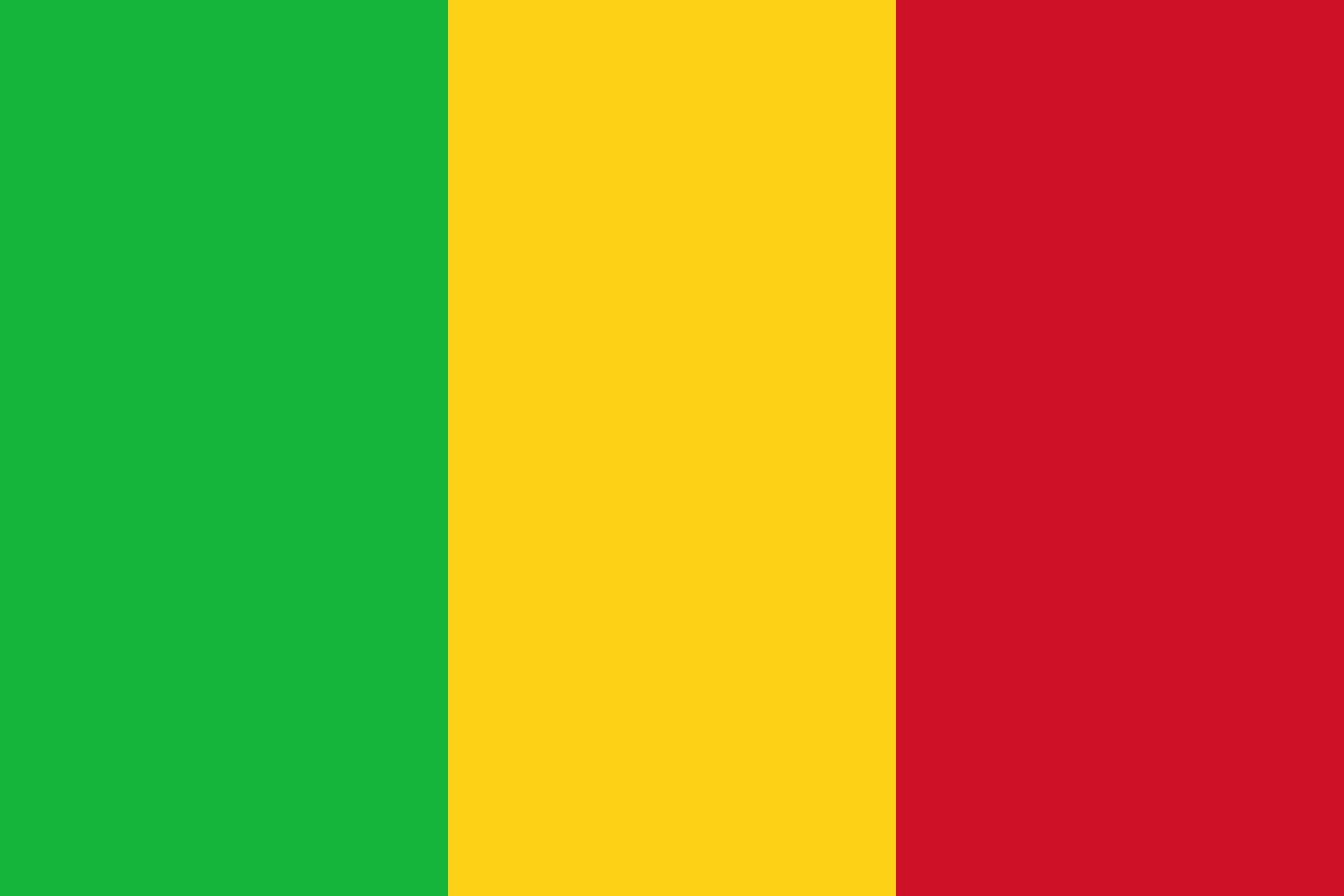
Flag (Flag of Mali)
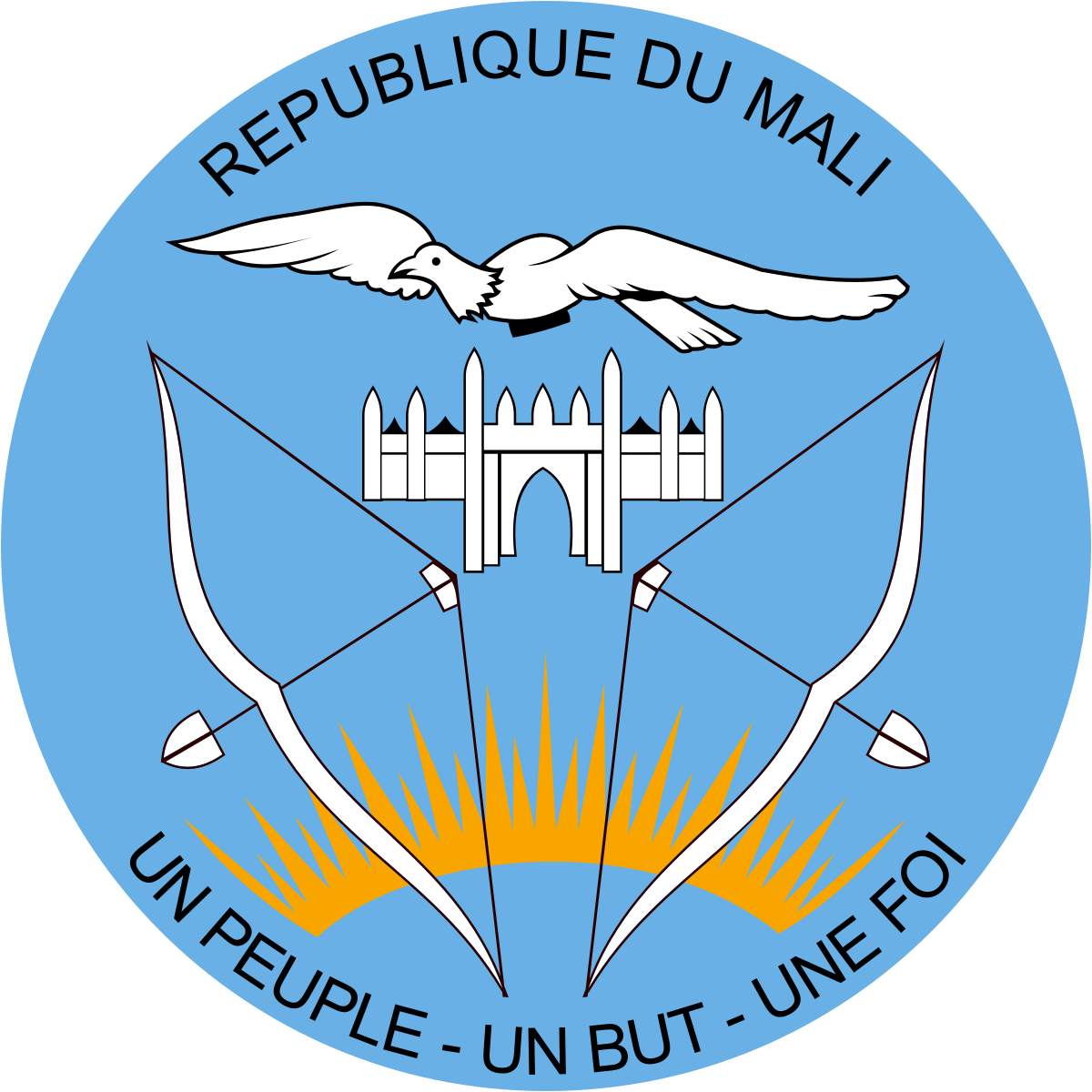
Emblem (National Emblem)
🎵 Anthem (Instrumental)
🎤 Anthem (Vocal)
For Africa and for you, Mali,
My life shall be offered.
Let us all cultivate, O people,
Under God's blessing cultivate.
One people rising up,
Tomorrow will be beautiful.
For Africa and for you, Mali,
Our flag shall fly high.
Glory to you, glory to your children,
Glory to those who died for your dignity.
Pour l'Afrique et pour toi, Mali,
Ma vie sera offerte.
Cultivons tous, ô peuple,
Sous la bénédiction de Dieu cultivons.
Un peuple qui se lève,
Demain sera beau.
Pour l'Afrique et pour toi, Mali,
Notre drapeau flottera haut.
Gloire à toi, gloire à tes enfants,
Gloire à ceux qui sont morts pour ta dignité.
Mali
Report ErrorIntroduction
About the National Anthem
Mali-'For Africa and For You, Mali'-Pour l'Afrique et pour toi, Mali
'For Africa and for you, Mali' is the national anthem of the Republic of Mali in West Africa. It was written by the famous Mali writer Sedu Baden Kuyat (1928-2018). Years) wrote the lyrics and composed by Mana Sissoko (1890-1987).
'For Africa and for you, Mali' is the national anthem of the Republic of Mali in West Africa. It was written by the famous Mali writer Sedu Baden Kuyat (1928-2018). Years) wrote the lyrics and composed by Mana Sissoko (1890-1987).
Flag Meaning
The ratio is 2:3. Three vertical flags of green, yellow and red. Green symbolizes fertility. Farmland and Islam, yellow symbolizes purity and resources, and red symbolizes the blood shed in the struggle for independence.
Emblem Meaning
The National Emblem of Mali (French: Emblème du Mali) consists of a light blue circle The central pattern is a mosque, with a bird above the mosque, and two bows and arrows and a rising sun below the mosque.
The current national emblem style was officially adopted on October 20, 1973. This pattern was adopted on October 20, 1973. In 1982, Mali was adopted as the national emblem after 22 years of independence in 1982 to replace the first-generation national emblem used in 1961.
In August 1960, the Federation of Mali was dissolved with Senegal’s withdrawal from the Federation, and Mali became an independent country.[ 1]. Soon after, the Republic of Mali designed the first generation of the national emblem, which was almost the same as the current design except for the different colors. The background color of the old national emblem was red and surrounded by a green border of medium width. [2] Afterwards, in accordance with Decree No. 56 of the National Military Commission for the Liberation of Mali on October 20, 1973, the new national emblem with a simple and clear design was officially opened on October 28, 1982 after 9 years of controversy. [3][4].
In the national emblem of Mali, the mosque in the center of the emblem is the Great Mosque of Djenet [5], which represents the main religion Islam of about 94.8% of the country’s population[6][7 ]. Although the species of the bird above the mosque is still controversial, the No. 56 decree at that time once stated that the bird was a 'very famous vulture' derived from local folklore.[2][3] Other sources claim that he is actually just a white dove that symbolizes peace.[8][9] There are two bows and arrows under the Great Mosque in Djenet, and the bottom of the national emblem is rising. The sun [2][6]. In addition, the French national motto 'One nation, one goal, one faith' (Un Peuple, Un But, Une Foi) on the Mali national emblem is exactly the same as Senegal's national motto, which also appears on the Senegal national emblem. [10]
The current national emblem style was officially adopted on October 20, 1973. This pattern was adopted on October 20, 1973. In 1982, Mali was adopted as the national emblem after 22 years of independence in 1982 to replace the first-generation national emblem used in 1961.
In August 1960, the Federation of Mali was dissolved with Senegal’s withdrawal from the Federation, and Mali became an independent country.[ 1]. Soon after, the Republic of Mali designed the first generation of the national emblem, which was almost the same as the current design except for the different colors. The background color of the old national emblem was red and surrounded by a green border of medium width. [2] Afterwards, in accordance with Decree No. 56 of the National Military Commission for the Liberation of Mali on October 20, 1973, the new national emblem with a simple and clear design was officially opened on October 28, 1982 after 9 years of controversy. [3][4].
In the national emblem of Mali, the mosque in the center of the emblem is the Great Mosque of Djenet [5], which represents the main religion Islam of about 94.8% of the country’s population[6][7 ]. Although the species of the bird above the mosque is still controversial, the No. 56 decree at that time once stated that the bird was a 'very famous vulture' derived from local folklore.[2][3] Other sources claim that he is actually just a white dove that symbolizes peace.[8][9] There are two bows and arrows under the Great Mosque in Djenet, and the bottom of the national emblem is rising. The sun [2][6]. In addition, the French national motto 'One nation, one goal, one faith' (Un Peuple, Un But, Une Foi) on the Mali national emblem is exactly the same as Senegal's national motto, which also appears on the Senegal national emblem. [10]
🔗 External Resources & Travel Guide
- 📖 Wikipedia: Mali - History, politics, and geography
- 📊 CIA World Factbook: Mali - Official government statistics & maps
- ✈️ Wikivoyage: Mali - Travel guide, attractions, and transport