The Netherlands, also translated as the Netherlands, is a constitutional monarchy whose main land is located in northwestern Europe. The 12 provinces of the Netherlands and the islands of Bonaire, Sint Eustatius and Saba in the Caribbean of the Netherlands are formed. The Netherlands is also the main constituent country under the sovereign state of the Kingdom of the Netherlands. Four main bodies, including Lasso and Sint Maarten of the Netherlands, form this sovereign country together.
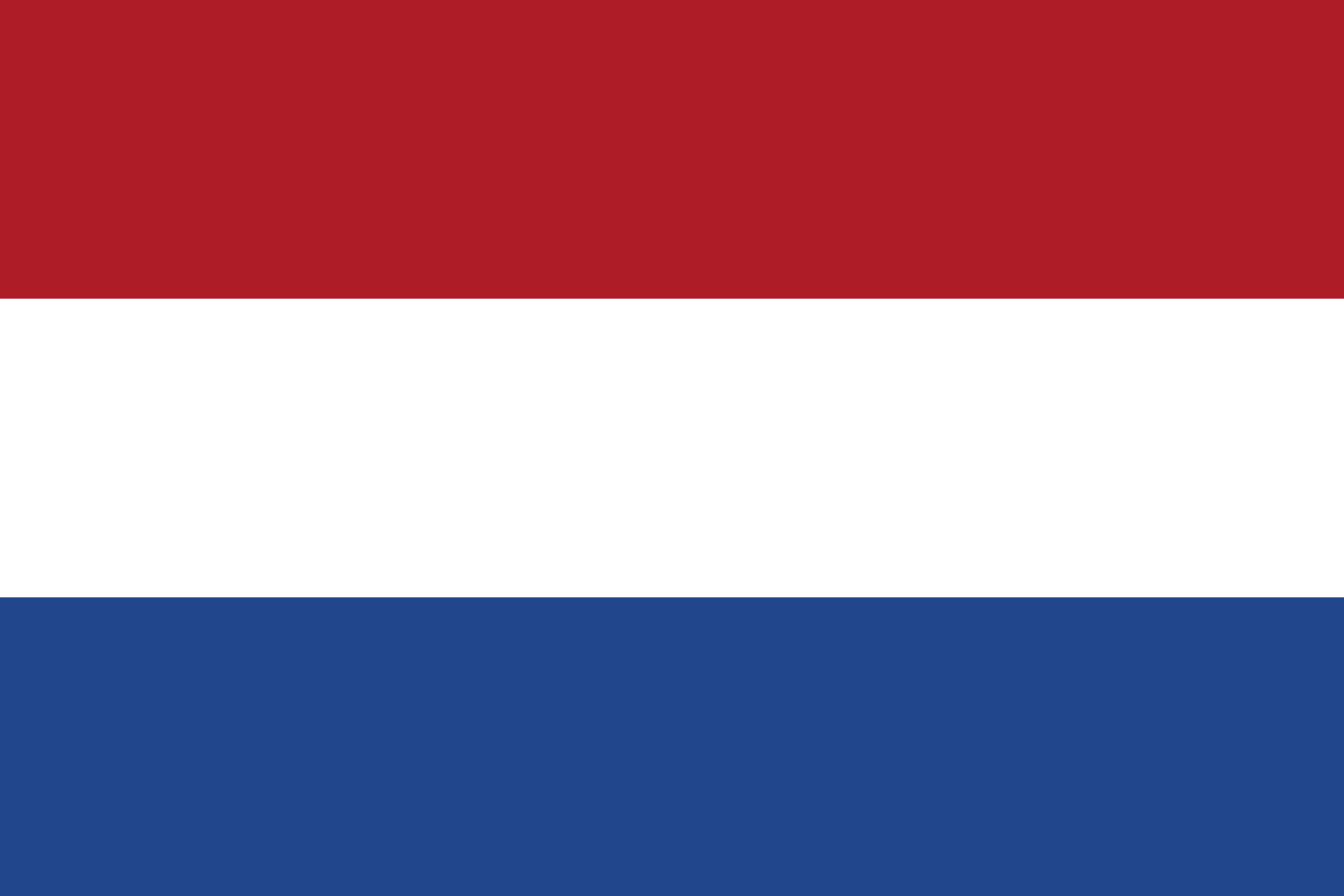
Flag (Flag of Netherlands)
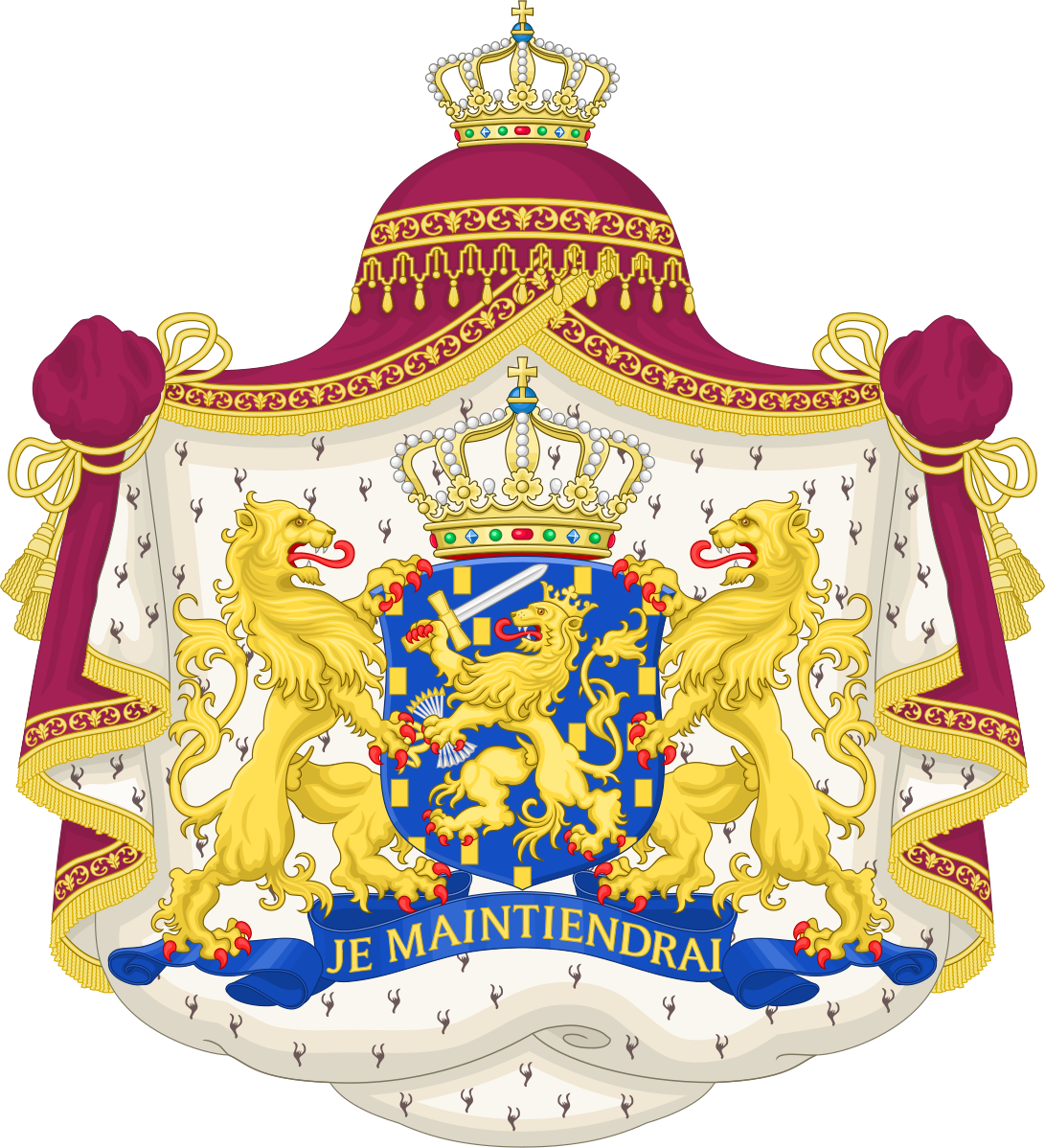
Emblem (National Emblem)
🎵 Anthem (Instrumental)
🎤 Anthem (Vocal)
William of Nassau, I am of Dutch blood,
I dedicate myself to the fatherland.
I shall fight for the fatherland,
Until death.
Wilhelmus van Nassouwe
ben ik, van Duitsen bloed,
den vaderland getrouwe
blijf ik tot in den dood.
Een Prinse van Oranje
ben ik, vrij, onverveerd,
den Koning van Hispanje
heb ik altijd geëerd.
Netherlands
Report ErrorIntroduction
About the National Anthem
William-'William'-Het Wilhelmus
'William' , Also known as 'William Van Nassau', is the national anthem of the Netherlands. This song praises Prince William I of Orange. The lyrics were written between 1568 and 1572, although they were later than the lyrics (poems) of the Japanese national anthem king. For nearly six hundred years, Wilhelmsson is generally regarded as the oldest national anthem in the world. It can be traced back to at least 1572, making it the oldest national anthem in use today, provided that the latter is defined as composed of melody and lyrics. Although 'Williams' was not recognized as the official national anthem until 1932, it has been welcomed by some Dutch people and has reappeared many times in the course of Dutch history before acquiring its current status. It is also Dutch security. The national anthem of the Les Islands from 1954 to 1964.
'William' , Also known as 'William Van Nassau', is the national anthem of the Netherlands. This song praises Prince William I of Orange. The lyrics were written between 1568 and 1572, although they were later than the lyrics (poems) of the Japanese national anthem king. For nearly six hundred years, Wilhelmsson is generally regarded as the oldest national anthem in the world. It can be traced back to at least 1572, making it the oldest national anthem in use today, provided that the latter is defined as composed of melody and lyrics. Although 'Williams' was not recognized as the official national anthem until 1932, it has been welcomed by some Dutch people and has reappeared many times in the course of Dutch history before acquiring its current status. It is also Dutch security. The national anthem of the Les Islands from 1954 to 1964.
Flag Meaning
(Details not available yet)
Emblem Meaning
The national emblem of the Netherlands began to be used on August 24, 1815. The center pattern is a shield emblem with a blue background and decorations. It is a small yellow rectangular piece. In the middle is a lion with a golden crown, angry gold, red tongue and red claws, holding a sword and arrows representing seven provinces. There is a crown on it. There are two red tongues on the outside. The claw lion guards the coat of arms. The blue ribbon at the bottom has the motto of William I: 'Je Maintiendrai'. These patterns are placed in the cloak with a crown on the top.
🔗 External Resources & Travel Guide
- 📖 Wikipedia: Netherlands - History, politics, and geography
- 📊 CIA World Factbook: Netherlands - Official government statistics & maps
- ✈️ Wikivoyage: Netherlands - Travel guide, attractions, and transport