The Democratic People’s Republic of Korea, referred to as North Korea (조선/North Korea), Republic of Korea, Republic of China, Hong Kong and Macau Known as North Korea (북한/North Korea) and Japan as North Korea (North Korea/きたちょうせん), it is a socialist country located in the northern half of the Korean Peninsula in East Asia. It was established on September 9, 1948. Actual control of the territory 120,000 square kilometers (approximately 55% of the total area of the Korean Peninsula), the legal capital and largest city is Pyongyang. The country is separated from the Republic of Korea by the 38th line (Korea-Korea Demilitarized Zone). North Xinjiang is divided by the Yalu River and Tumen River ( North Korea and South Korea are called Douman River), bordering the People’s Republic of China and Russia.
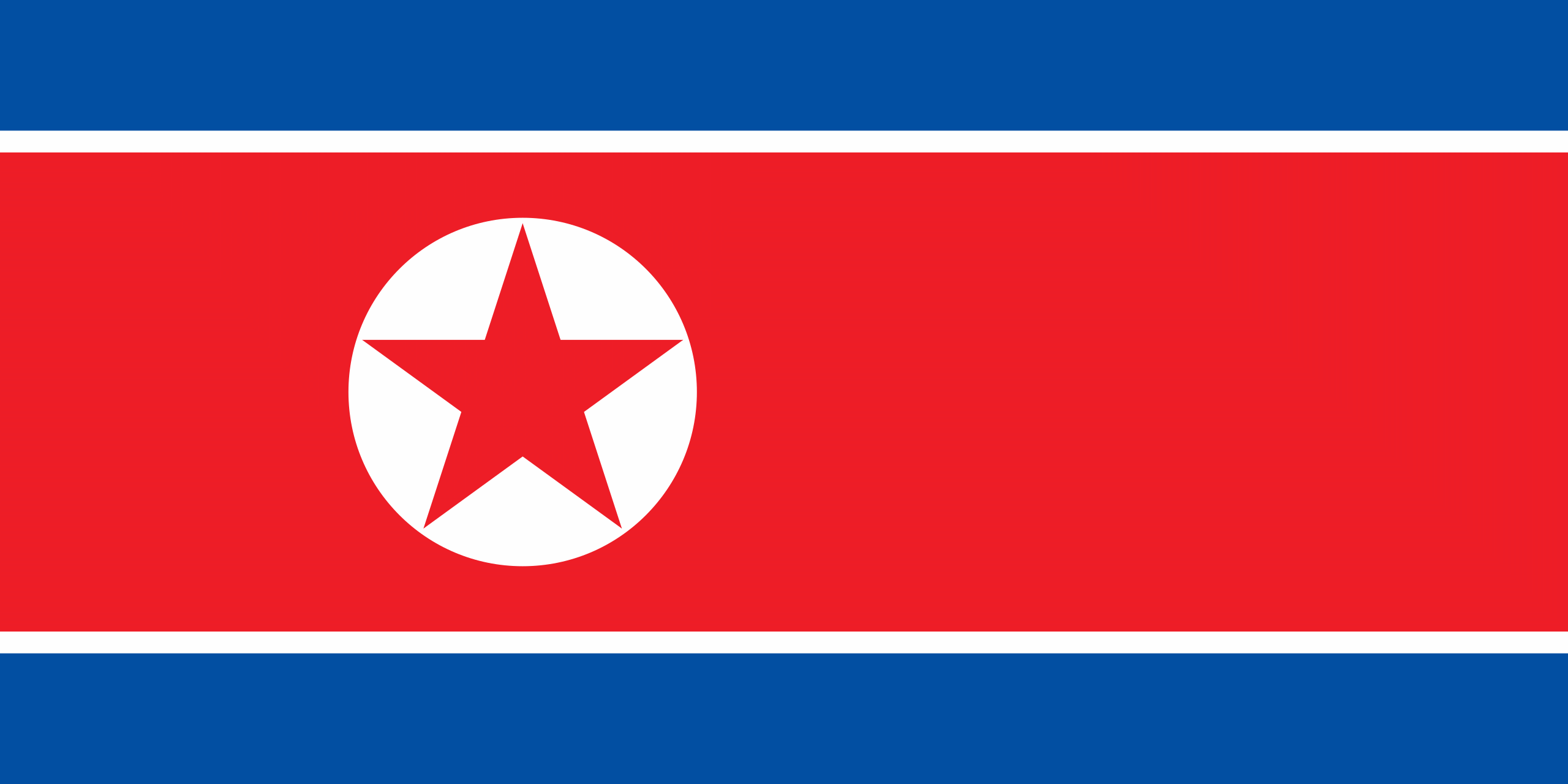
Flag (Flag of North Korea)
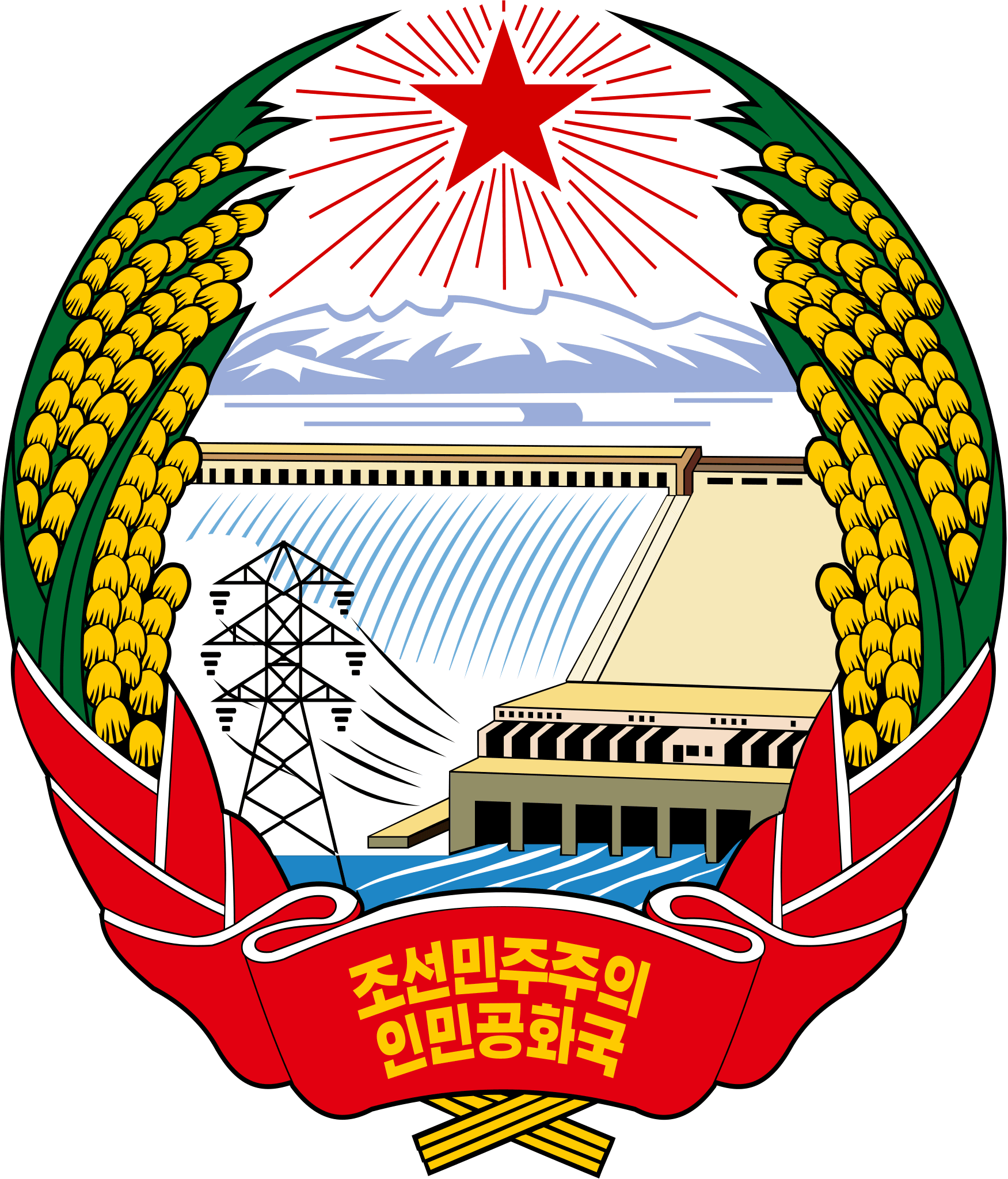
Emblem (National Emblem)
🎵 Anthem (Instrumental)
🎤 Anthem (Vocal)
The morning sun shines on our fatherland,
The path of truth gleams brightly.
Armed with Kim Il Sung-Kim Jong Ilism,
We shall advance forever.
Upholding the great leaders,
Our country shall prosper.
아침은 빛나라 이 강산
은금에 자원도 가득한
삼천리 아름다운 내 조국
반만년 오랜 역사자랑
김일성 김정일 주석님
혁명업적 빛내시네
North Korea
Report ErrorIntroduction
About the National Anthem
The Patriotic Song-'Patriotic Song'-애국가
'Patriotic Song' 'Is the national anthem of the Democratic People’s Republic of Korea. The name of the song is the same as the national anthem before the founding of the country, but the melody and lyrics are different. To distinguish it from other versions, it is commonly called 'Asahi Myung-kun'. It was celebrated from Japan in 1945. It was composed of independent patriotic songs under occupation and was adopted as the national anthem in 1947. Park Se-young (1902-1989) wrote the lyrics and Kim Won-kyun (1917-2002) composed the music.
'Patriotic Song' 'Is the national anthem of the Democratic People’s Republic of Korea. The name of the song is the same as the national anthem before the founding of the country, but the melody and lyrics are different. To distinguish it from other versions, it is commonly called 'Asahi Myung-kun'. It was celebrated from Japan in 1945. It was composed of independent patriotic songs under occupation and was adopted as the national anthem in 1947. Park Se-young (1902-1989) wrote the lyrics and Kim Won-kyun (1917-2002) composed the music.
Flag Meaning
Ratio 1:2. Three horizontal flags with blue stripes and white borders and red stripes, the blue stripes are narrow; the left is a white round red star. Red, white, and blue are the traditional colors of North Korea. The red rectangle symbolizes bloody struggle and the spirit of patriotism, white The border symbolizes purity, and North Korea is a single nation. The blue rectangle symbolizes sovereignty, friendship, unity and love for peace. The white circle represents Yin and Yang, and the red five-pointed star is a symbol of revolutionary tradition and communism.
Emblem Meaning
The National Emblem of the Democratic People’s Republic of Korea (Korean: 조선민주주의인민공화국국장 / State Seal of the Democratic People’s Republic of Korea) was enacted on September 6, 1948, and on September 9, 1993. The Democratic People’s Republic of Korea The latest revision was made on the 45th National Day.
The flashing red five-pointed star is placed above the national emblem, symbolizing that the Democratic People’s Republic of Korea is a country under the guidance of socialism, and it also expresses the ultimate goal of socialist construction, which is communism. Its sacredness. The ears of rice on both sides seem to be holding five red stars, which symbolizes the farmers and the fruits of their labor in North Korea. The ears of rice are tied together by a red ribbon, and the ribbon is sewn with gold lettering, that is, 'Democratic People's Republic of Korea (Korean: 조선민주주의인민공화국)'. The center of the national emblem shows a hydroelectric power station, the prototype of which is the Shuifeng Hydropower Station, which is set off by the mountain scenery in the background. This represents the industrialization of North Korea and its socialist construction On the whole, the hydropower station representing industry is surrounded by ears of rice representing agriculture on both sides, and is tightly tied together by a red ribbon representing socialism. The theme of the national emblem with the characteristics of a communist country.
The flashing red five-pointed star is placed above the national emblem, symbolizing that the Democratic People’s Republic of Korea is a country under the guidance of socialism, and it also expresses the ultimate goal of socialist construction, which is communism. Its sacredness. The ears of rice on both sides seem to be holding five red stars, which symbolizes the farmers and the fruits of their labor in North Korea. The ears of rice are tied together by a red ribbon, and the ribbon is sewn with gold lettering, that is, 'Democratic People's Republic of Korea (Korean: 조선민주주의인민공화국)'. The center of the national emblem shows a hydroelectric power station, the prototype of which is the Shuifeng Hydropower Station, which is set off by the mountain scenery in the background. This represents the industrialization of North Korea and its socialist construction On the whole, the hydropower station representing industry is surrounded by ears of rice representing agriculture on both sides, and is tightly tied together by a red ribbon representing socialism. The theme of the national emblem with the characteristics of a communist country.
🔗 External Resources & Travel Guide
- 📖 Wikipedia: North Korea - History, politics, and geography
- 📊 CIA World Factbook: North Korea - Official government statistics & maps
- ✈️ Wikivoyage: North Korea - Travel guide, attractions, and transport