The Republic of the Philippines, commonly known as the Philippines, is an archipelago country located in Southeast Asia. Its geographic location is in the Western Pacific Ocean, separated to the north by The Luzon Strait and Taiwan face each other. The closest distance between the two islands is 99 kilometers. It faces Indonesia from the Celebes Sea to the south, Vietnam to the South China Sea to the west, and the Philippine Sea to the east. As an earthquake located in the Pacific Rim As a tropical country in the belt, the Philippines suffers from earthquakes and typhoons all the year round. However, its climate environment has also created rich natural resources and biodiversity. The Philippine Islands are composed of 7,641 islands, which can be divided into Luzon and Visayan Islands. And the three major island groups of Mindanao. With a domestic population of about 93 million, plus about 11 million overseas Filipinos, the total population exceeded 100 million in 2015 (12th in the world), making it the second country in Southeast Asia with a population of over 100 million. The Philippine Islands There are many races and cultures in the area. The prehistoric Negritos may be the earliest inhabitants of the area. The subsequent migration of the Austronesian peoples brought Malay culture. With the development of religion and trade, various places were influenced by Indian culture. , The influence of Chinese culture and Islamic culture.
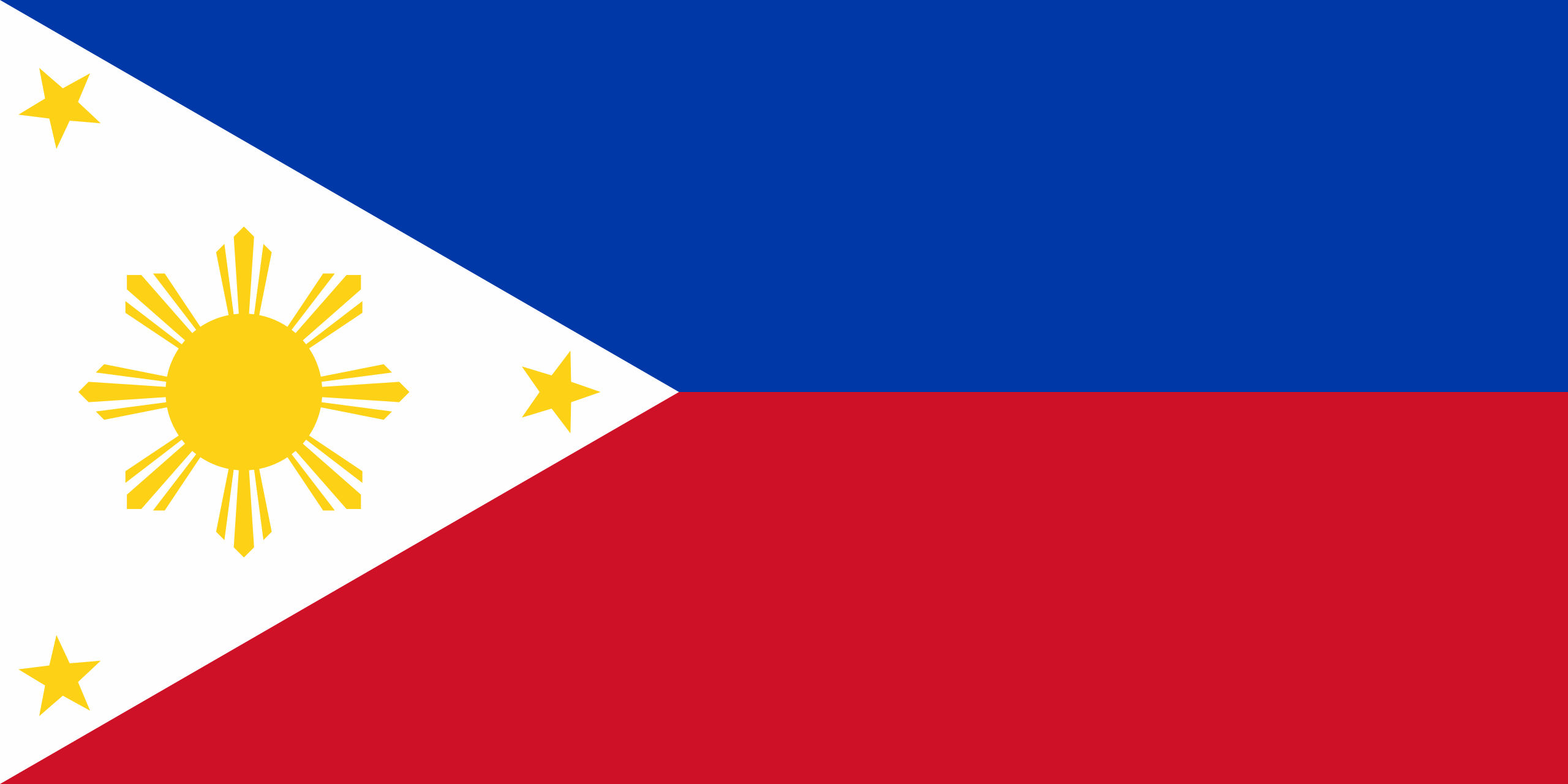
Flag (Flag of Philippines)
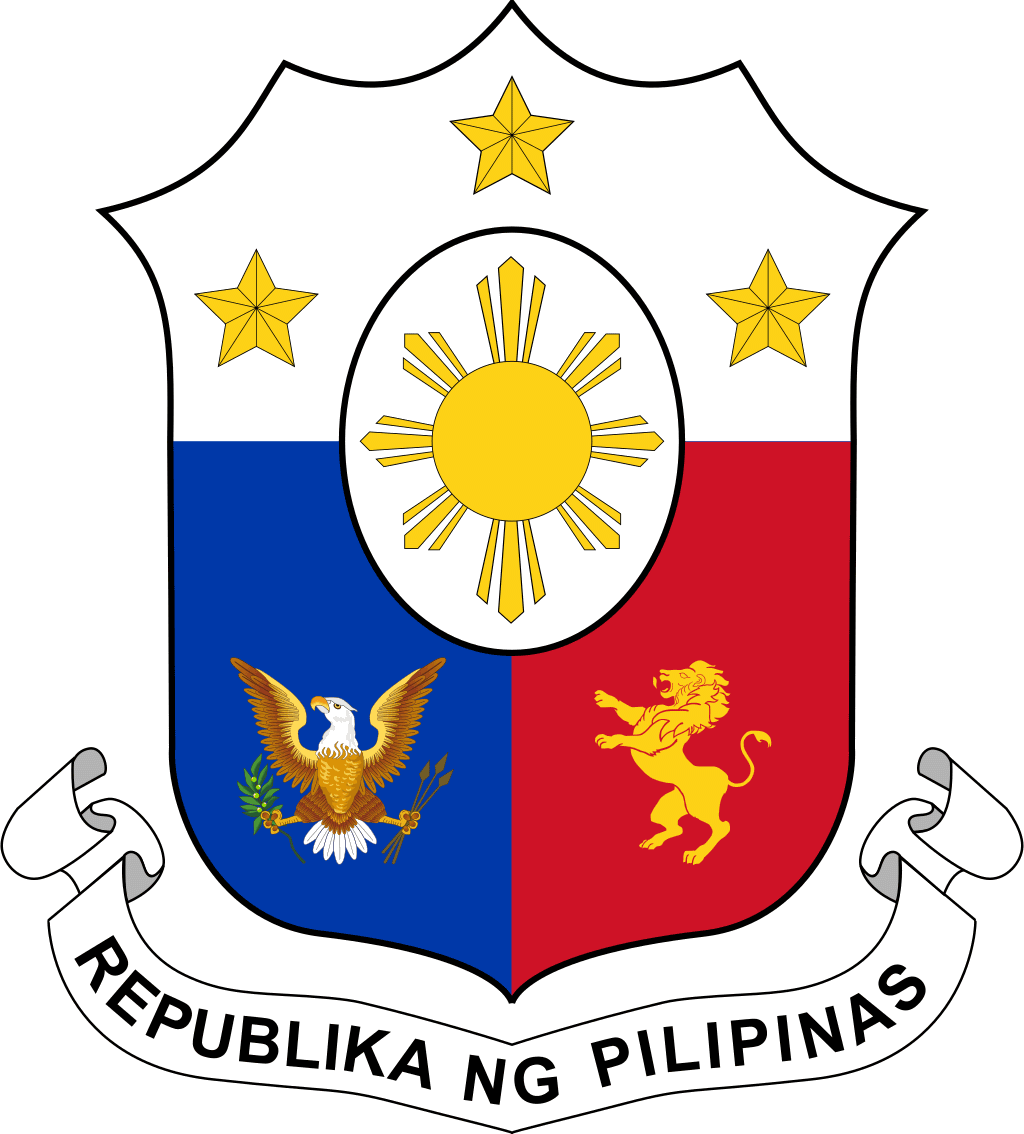
Emblem (National Emblem)
🎵 Anthem (Instrumental)
🎤 Anthem (Vocal)
Beloved country,
Pearl of the Orient,
The burning fire in our hearts is alive in your breast.
Chosen land,
Cradle of the brave,
You shall not be enslaved by conquerors.
In your seas and mountains,
In your breeze and blue skies,
There is the beauty of your poetry and songs,
The songs of your beloved freedom.
Your flag sparkles with the light of victory;
Its stars and sun
Shall never dim.
Bayang magiliw,
Perlas ng Silanganan,
Alab ng puso
Sa dibdib mo’y buhay.
Lupang hinirang,
Duyan ka ng magiting,
Sa manlulupig
Di ka pasisiil.
Sa dagat at bundok,
Sa simoy at sa langit mong bughaw,
May dilag ang tula
At awit sa paglayang minamahal.
Ang kislap ng watawat mo’y
Tagumpay na nagniningning;
Ang bituin at araw niya
Kailan pa ma’y di magdidilim.
Philippines
Report ErrorIntroduction
About the National Anthem
Chosen Land-'Dear Land'-Lupang Hinirang
'Dear Land' is the national anthem of the Republic of the Philippines. The music was composed by Julián Felipe in 1898, and the lyrics were adapted from the Spanish poem 'Philippines' written by José Palma in 1899.
'Dear Land' is the national anthem of the Republic of the Philippines. The music was composed by Julián Felipe in 1898, and the lyrics were adapted from the Spanish poem 'Philippines' written by José Palma in 1899.
Flag Meaning
(Details not available yet)
Emblem Meaning
The national emblem of the Republic of the Philippines is in the shape of a shield, and there is a ribbon under the shield with the words 'Republic of the Philippines' on it. The pattern of the shield-shaped national emblem represents the three histories of the Philippines Periods, namely Spanish colonial rule, American colonial rule and the Republic of the Philippines. The upper and middle parts of the national emblem represent the period of the Republic of the Philippines. The background color is white. There are three golden five-pointed stars on the top, representing the three major regions of the Philippine Islands— -Luzon, Visayas, and Mindanao. In the middle is the sun with eight golden radiating rays, indicating that the sun is shining throughout the country. The lower left of the national emblem represents the period of American colonial rule, and the blue bottom is painted with a left looking The golden yellow American bald eagle, holding an olive branch in the left paw, indicates peace; holding three spears in the right paw, indicating ready Fight to defend peace. The lower right part of the national emblem represents the Spanish colonial rule. On the red bottom surface is painted a leaping golden lion, which is the lion figure on the flag of the Kingdom of Leon in Spain at that time.
🔗 External Resources & Travel Guide
- 📖 Wikipedia: Philippines - History, politics, and geography
- 📊 CIA World Factbook: Philippines - Official government statistics & maps
- ✈️ Wikivoyage: Philippines - Travel guide, attractions, and transport