The Republic of Senegal, referred to as Senegal, is a West African country, located on the southern bank of the Senegal River and the capital Dakar. It is west of it It is the Atlantic Ocean, Mauritania to the north, Mali to the east, and Guinea and Guinea-Bissau to the south. The Gambia is surrounded by Senegal, and the Cape Verde Islands are about 560 kilometers from its coast.
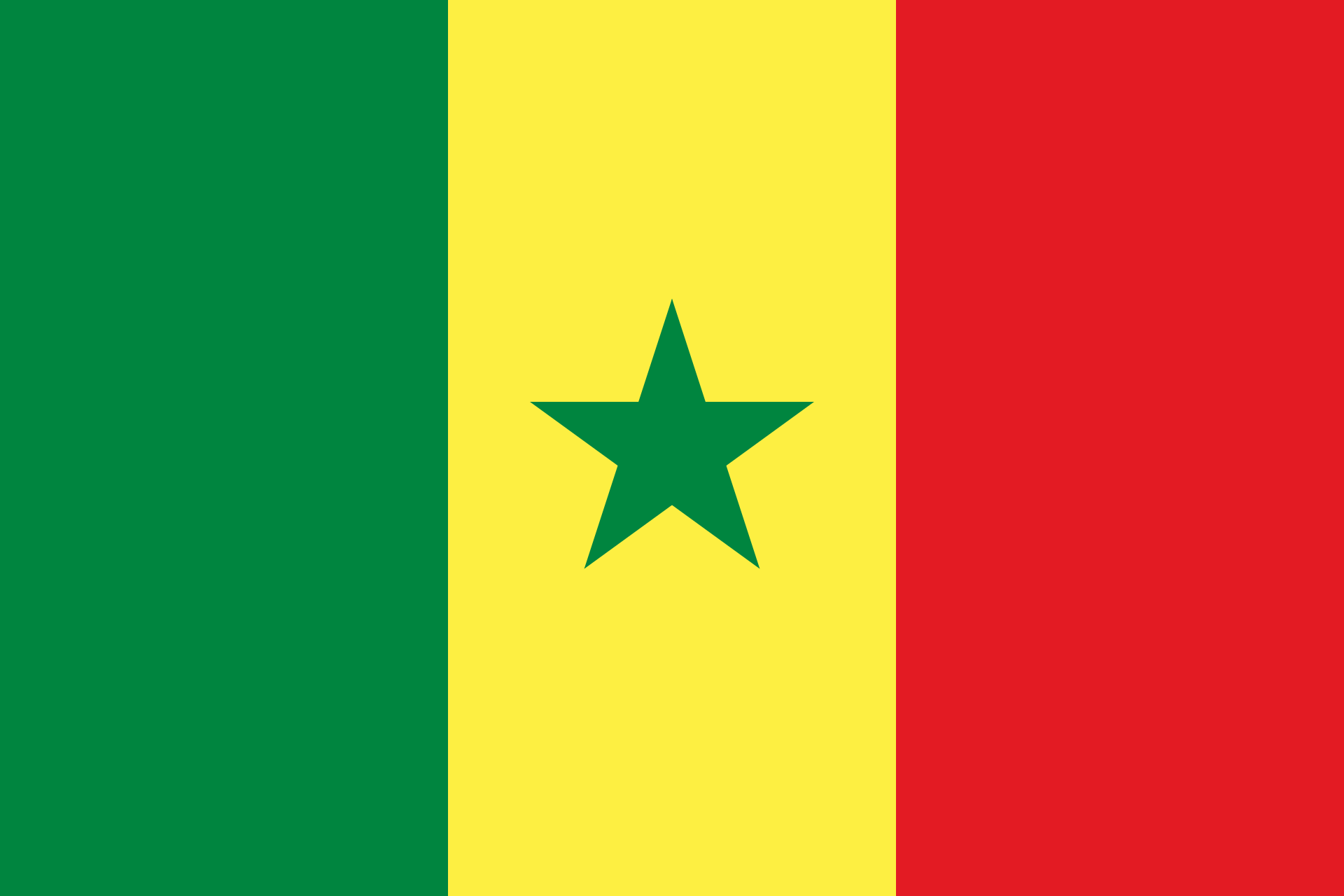
Flag (Flag of Senegal)
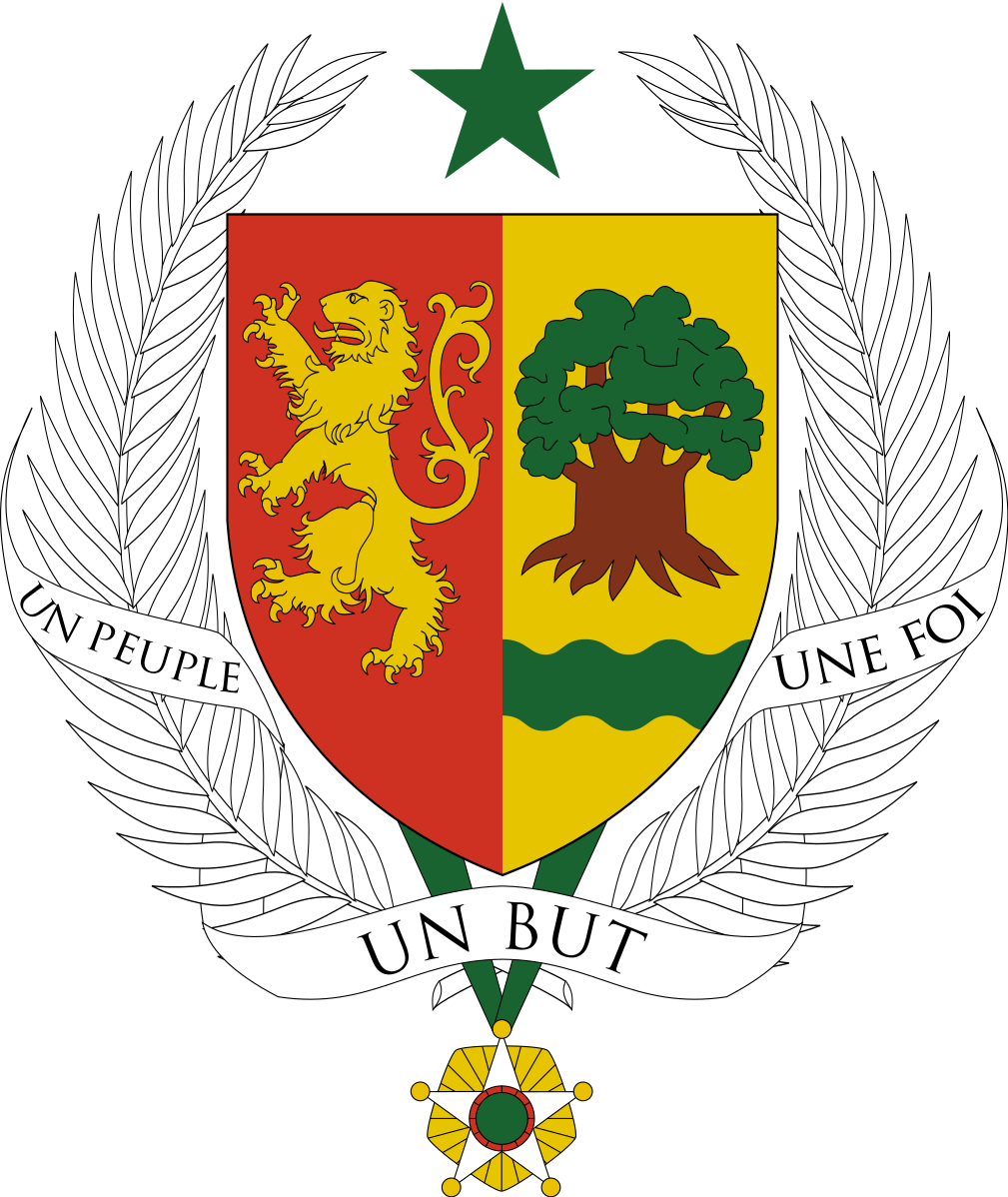
Emblem (National Emblem)
🎵 Anthem (Instrumental)
🎤 Anthem (Vocal)
All pluck the kora strings, beat the balafon,
The red lion has roared in the dark.
In the heart of Africa, the Senegalese lion calls.
Senegal, we were born for you,
We shall die for you.
We shall always be faithful to you.
Pincez tous vos koras, frappez les balafons
Le lion rouge a rugi
Le dompteur de la brousse
D’un bond s’est élancé
Dans le ciel africain
Sénégal, lion rugissant
Sénégal, nous voilà
Pour toi nous mourrons
Senegal
Report ErrorIntroduction
About the National Anthem
Strum your Koras, Strike the Balafons-'Play the Koras, Strike the Balafons'-Pincez Tous vos Koras, Frappez les Balafons
'Play the Koras, Strike the Balafons' 'La Feng' is the national anthem of Senegal, which was launched in 1960. The lyrics were written by Leopold Sedar Senghor, and the composer was Herbert Pebo. Kola and Bala are two West African traditions. Musical instruments.
'Play the Koras, Strike the Balafons' 'La Feng' is the national anthem of Senegal, which was launched in 1960. The lyrics were written by Leopold Sedar Senghor, and the composer was Herbert Pebo. Kola and Bala are two West African traditions. Musical instruments.
Flag Meaning
The ratio is 2:3. The vertical flag of green, yellow and red, with a green pentagon in the middle. Green symbolizes farmland and forest, yellow symbolizes resources and wealth, and red symbolizes independent suffering. The green five-pointed star in the center symbolizes freedom, unity and hope.
Emblem Meaning
The national emblem of Senegal consists of a shield with palm branches on one side, a medal, and a green five-pointed star on the top. The object in the shield includes a lion on the left half and a baobab tree on the right. The national emblem was opened in 1965 and replaced the first-generation national emblem adopted in 1960.
🔗 External Resources & Travel Guide
- 📖 Wikipedia: Senegal - History, politics, and geography
- 📊 CIA World Factbook: Senegal - Official government statistics & maps
- ✈️ Wikivoyage: Senegal - Travel guide, attractions, and transport