The Republic of South Sudan, commonly known as South Sudan, is a landlocked country in northeastern Africa. It started from Sudan in 2011 Independence. Ethiopia is to the east, the Democratic Republic of Congo, Kenya and Uganda to the south, the Central African Republic to the west, and Sudan to the north. It contains the vast Sude swamp formed by the White Nile River. The current capital is the largest city in Juba. The future plan is to move the capital to Ramsar, which is relatively central. The territory of modern South Sudan and the Republic of Sudan was originally occupied by the Muhammad Ali dynasty of Egypt, and later became the British-Egyptian condominium of Sudan. After the independence of the Republic of Sudan in 1956, it became a part of it. It is divided into 10 southern provinces. After the first Sudanese civil war, Southern Sudan gained autonomy from 1972 to 1983. The second Sudanese civil war broke out in 1983 and signed the Comprehensive Peace Treaty in 2005 and established the Southern Sudan Autonomous Government. In 2011, the South Sudan independence referendum was passed with 98.83%. The Republic of South Sudan declared its independence at 0:00 on July 9, 2011. The heads of state or government representatives of 30 countries participated in the independence celebration ceremony of the Republic of South Sudan. UN Secretary-General Pan Ki Moon also participated in the inauguration ceremony. On July 14, 2011, the Republic of South Sudan formally joined the United Nations and became a member of the United Nations. Currently, it is also a member of the African Union and the East African Community. In July 2012, the Geneva Convention was signed. South Sudan became independent. After that, there were still fierce internal conflicts. After 2014, the score of the Fragile States Index (formerly the Failed Countries Index) has been the highest in the world.
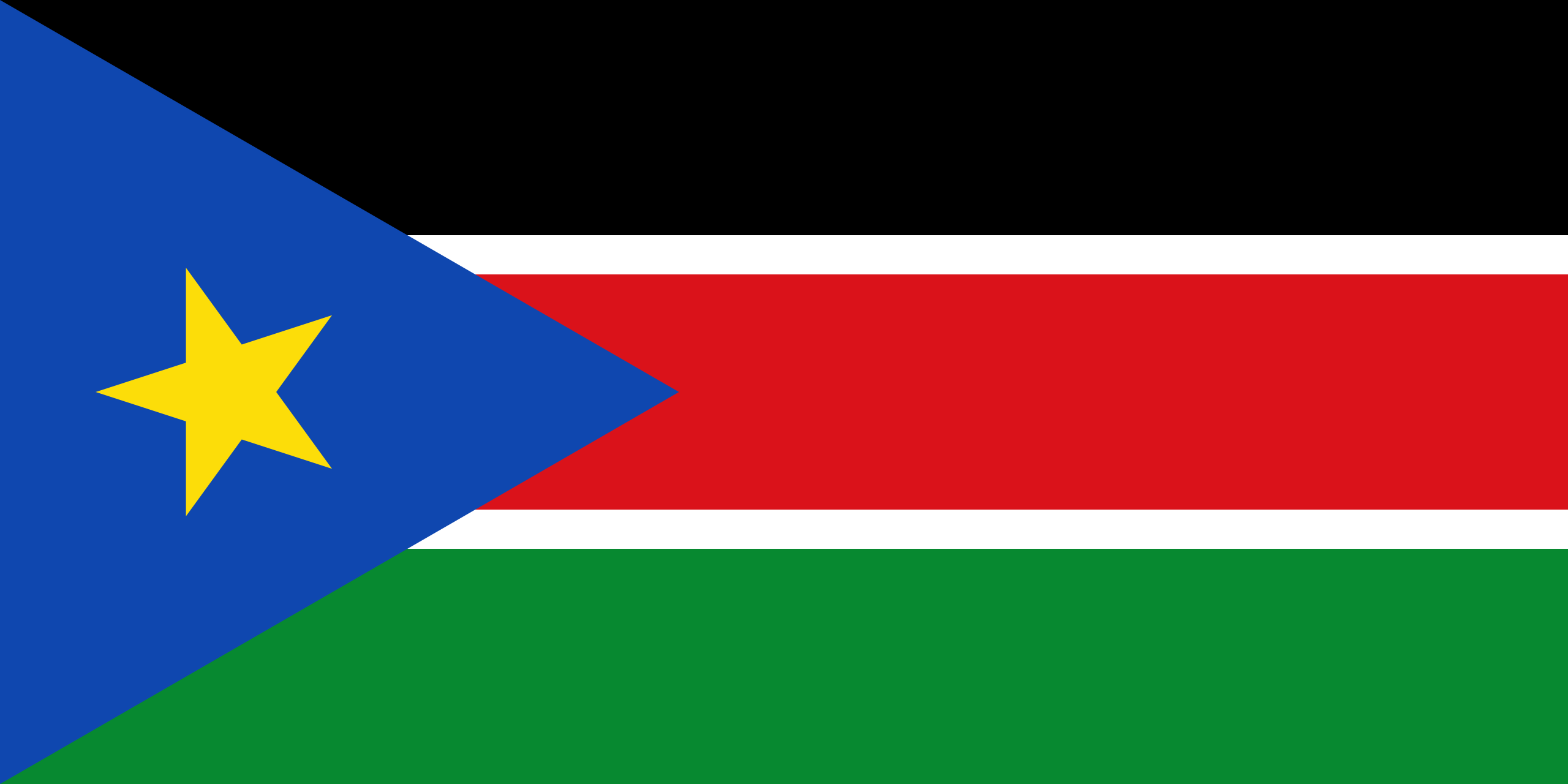
Flag (Flag of South Sudan)
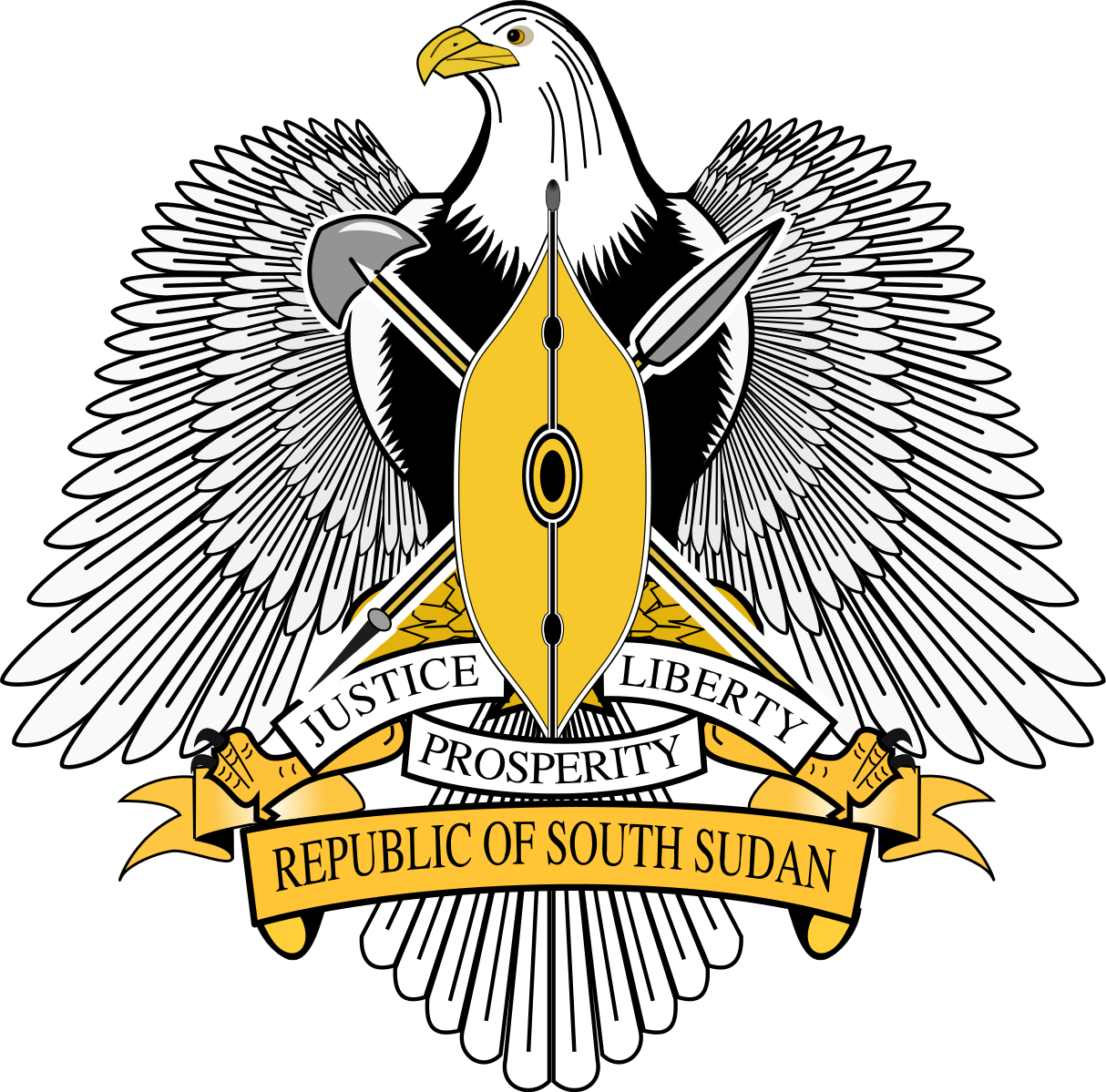
Emblem (National Emblem)
🎵 Anthem (Instrumental)
🎤 Anthem (Vocal)
Oh God, we praise and glorify You
For the land we love so dear.
You are the Creator,
Granting us freedom and justice.
Oh South Sudan, our homeland,
We shall fight for you.
Oh God, we praise and glorify you
For your grace on South Sudan
Land of great abundance
Uphold us united in peace and harmony
Oh motherland, we rise raising flag with the guiding star
And sing songs of freedom with joy
For justice, liberty and prosperity
Shall forever more reign
South Sudan
Report ErrorIntroduction
About the National Anthem
'Long live South Sudan!'-South Sudan Oyee!
'Long live South Sudan!' is the national anthem of South Sudan. This national anthem was selected by the South Sudan National Anthem Committee of the Sudan People's Liberation Army in the national anthem selection competition that began in August 2010. The entire The selection of the national anthem predates the South Sudan independence referendum that made South Sudan a sovereign nation in January 2011. The 'Oyee!' in the title of the national anthem should be translated as 'Long live!' '.
'Long live South Sudan!' is the national anthem of South Sudan. This national anthem was selected by the South Sudan National Anthem Committee of the Sudan People's Liberation Army in the national anthem selection competition that began in August 2010. The entire The selection of the national anthem predates the South Sudan independence referendum that made South Sudan a sovereign nation in January 2011. The 'Oyee!' in the title of the national anthem should be translated as 'Long live!' '.
Flag Meaning
The ratio is 1:2. The three horizontal flags are black, red and green with white borders, with a blue triangle and yellow five-pointed star on the left. The black part symbolizes South Sudan People (mainly blacks), red represents the blood shed for freedom, green represents the land, blue represents the Nile, and the yellow star symbolizes the star of Bethlehem.
Emblem Meaning
South Sudan The national emblem was adopted after the independence of South Sudan in 2011. The center is an African Osprey. The ribbon is written in English with 'Republic of South Sudan' and the national motto 'Justice, Freedom, Prosperity'.
🔗 External Resources & Travel Guide
- 📖 Wikipedia: South Sudan - History, politics, and geography
- 📊 CIA World Factbook: South Sudan - Official government statistics & maps
- ✈️ Wikivoyage: South Sudan - Travel guide, attractions, and transport