The Democratic Socialist Republic of Sri Lanka, commonly known as Sri Lanka, and Ceylon before 1972, is a South Asia-India The island country off the southeast of the subcontinent belongs to Asia. In ancient China, it used to be called the country of nowhere, the country of the lion, the country of the teacher, the country of Sinhala, and the island of Langa.
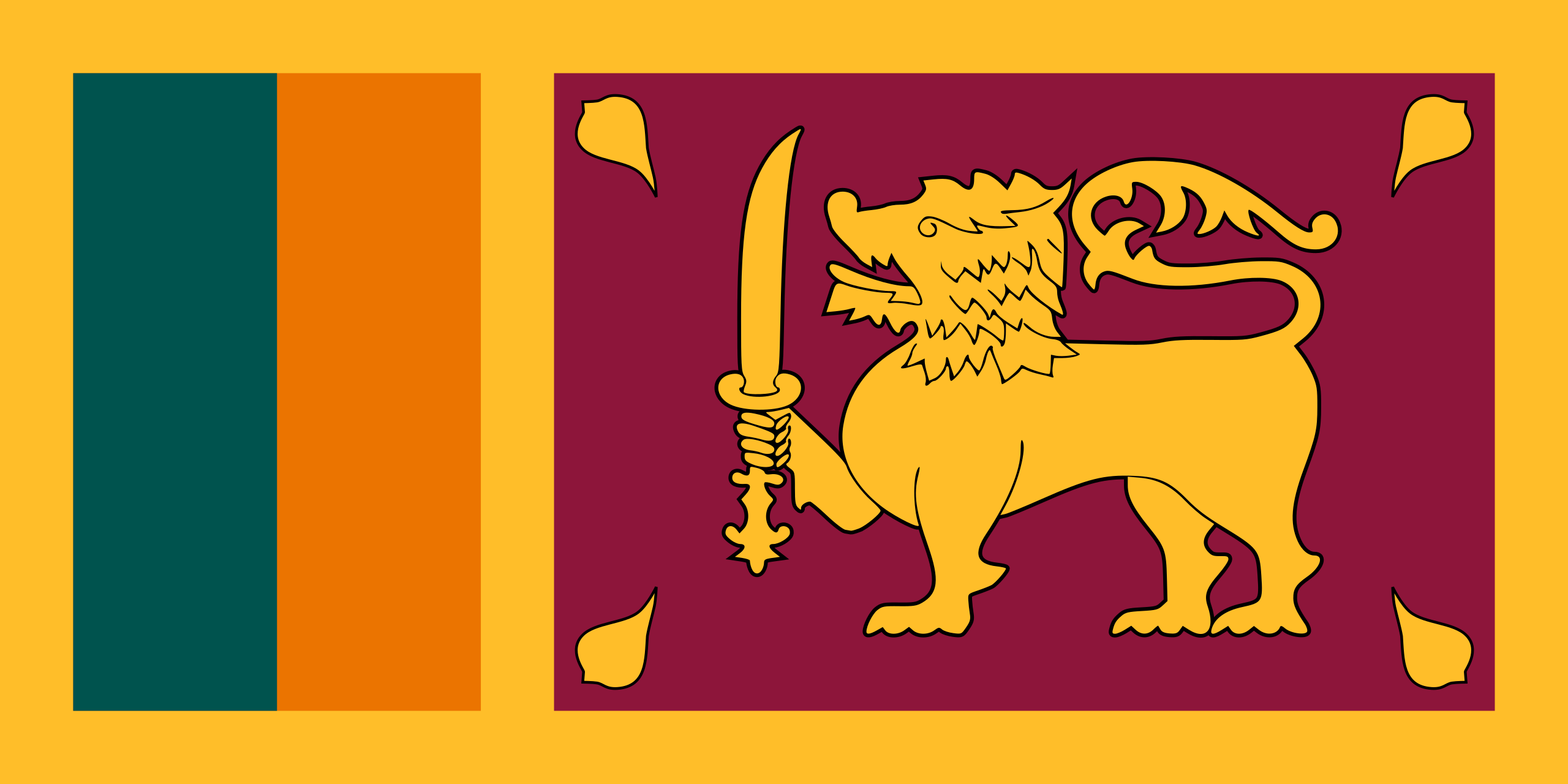
Flag (Flag of Sri Lanka)
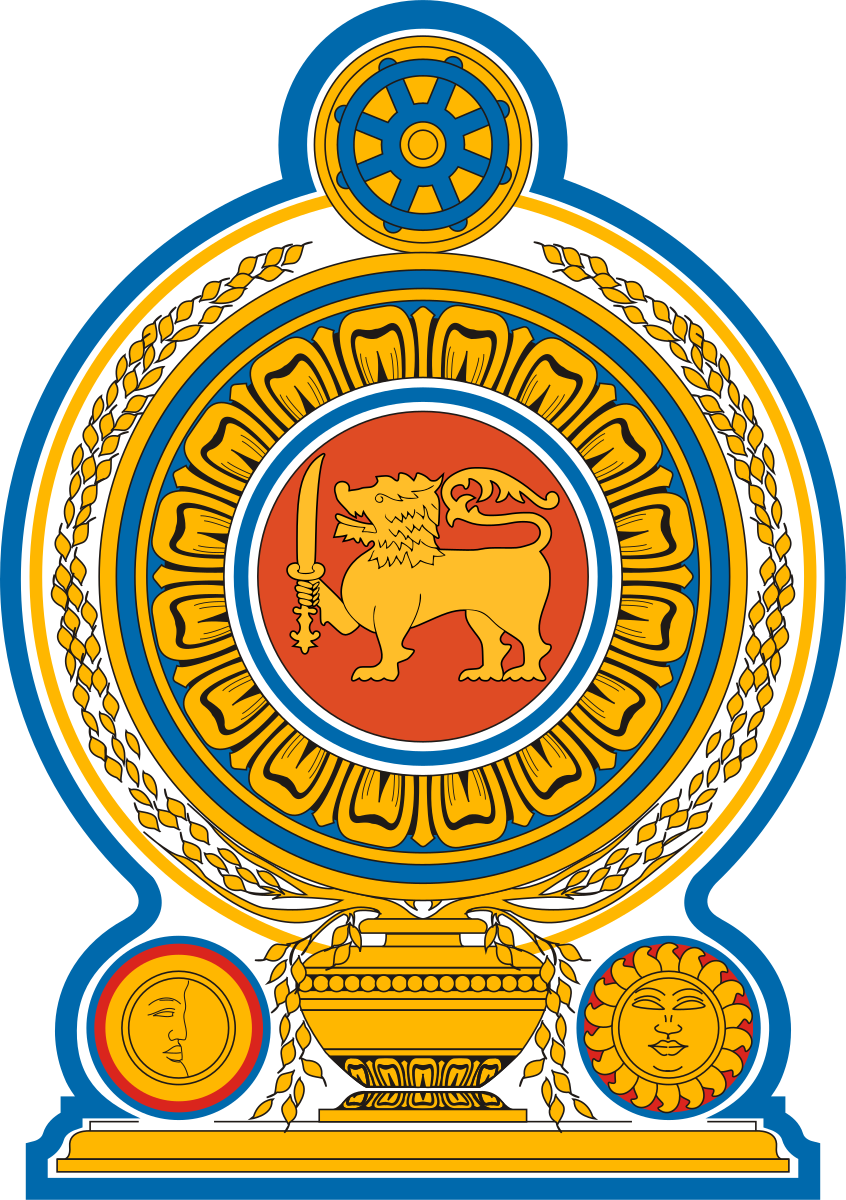
Emblem (National Emblem)
🎵 Anthem (Instrumental)
🎤 Anthem (Vocal)
Mother Lanka, we salute thee!
We adore thee and bless thee,
Long life and prosperity.
Thou art the mother of us all,
We pledge our loyalty to thee.
ශ්රී ලංකා මාතා
අප ශ්රී... ලංකා
නමො නමො මාතා
අප ශ්රී... ලංකා
නමො නමො නමො නමො මාතා
Sri Lanka
Report ErrorIntroduction
About the National Anthem
Mother Sri Lanka -'Mother, Sri Lanka'-ශ්රී ලංකා මාතා
'Mother, Sri Lanka' is the national anthem of Sri Lanka. This song was composed in 1940 and officially became the national anthem in 1951. The song and lyrics are Ananda Sa Malakcan was composed in 1940. The song was written during the British colonial period, expressing respect for Sri Lanka, and at the same time expressing the emotions of freedom, unity and independence. Although 'Mother, Sri Lanka' was not originally used as the national anthem, but in In the 1940s, this song became very popular. In 1951, three years after Sri Lanka’s independence in 1948, it was officially used as the national anthem.
'Mother, Sri Lanka' is the national anthem of Sri Lanka. This song was composed in 1940 and officially became the national anthem in 1951. The song and lyrics are Ananda Sa Malakcan was composed in 1940. The song was written during the British colonial period, expressing respect for Sri Lanka, and at the same time expressing the emotions of freedom, unity and independence. Although 'Mother, Sri Lanka' was not originally used as the national anthem, but in In the 1940s, this song became very popular. In 1951, three years after Sri Lanka’s independence in 1948, it was officially used as the national anthem.
Flag Meaning
Ratio 1:2 。Yellow frame, green and orange on the left, golden lion with brown on the right, a flag with yellow bodhi leaves on the four corners. Green and orange symbolize Islam and Hinduism, and the yellow frame symbolizes that the country is protected by Buddhism. The sword-bearing lion is protected by Ceylon King Vijaya of the Sinha tribe is revered as an ancestor, and the sword represents power. The yellow bodhi leaves represent the Sinha tribe’s belief in Buddhism.
Emblem Meaning
The national emblem of Sri Lanka was opened in 1972 During the Republic, it was modified from the national emblem adopted in 1952 (the crown and the ribbon with the country name 'Ceylon' were removed).
The center is a lion holding a sword, and the periphery is a lotus flower, and then it is surrounded by a lion holding a sword. The ear of rice in the aquarium. The wheel is on the top, the moon is on the bottom left, and the sun is on the bottom right.
The center is a lion holding a sword, and the periphery is a lotus flower, and then it is surrounded by a lion holding a sword. The ear of rice in the aquarium. The wheel is on the top, the moon is on the bottom left, and the sun is on the bottom right.
🔗 External Resources & Travel Guide
- 📖 Wikipedia: Sri Lanka - History, politics, and geography
- 📊 CIA World Factbook: Sri Lanka - Official government statistics & maps
- ✈️ Wikivoyage: Sri Lanka - Travel guide, attractions, and transport