The Democratic Republic of Sao Tome and Principe, generally abbreviated in Mainland China São Tomé and Príncipe, located in the Gulf of Guinea in western Central Africa, consists of São Tomé and Principe and some nearby reefs and islands. It covers an area of 1001 square kilometers. About 90% of the population lives on São Tomé. The residents are mainly Pan Figures, as well as mixed-race Muratos and Indians. Portuguese is the official language and was originally a Portuguese colony. It became independent on July 12, 1975 and established a democratic republic. Sao Tome and Principe is one of the lowest developed countries in the world.
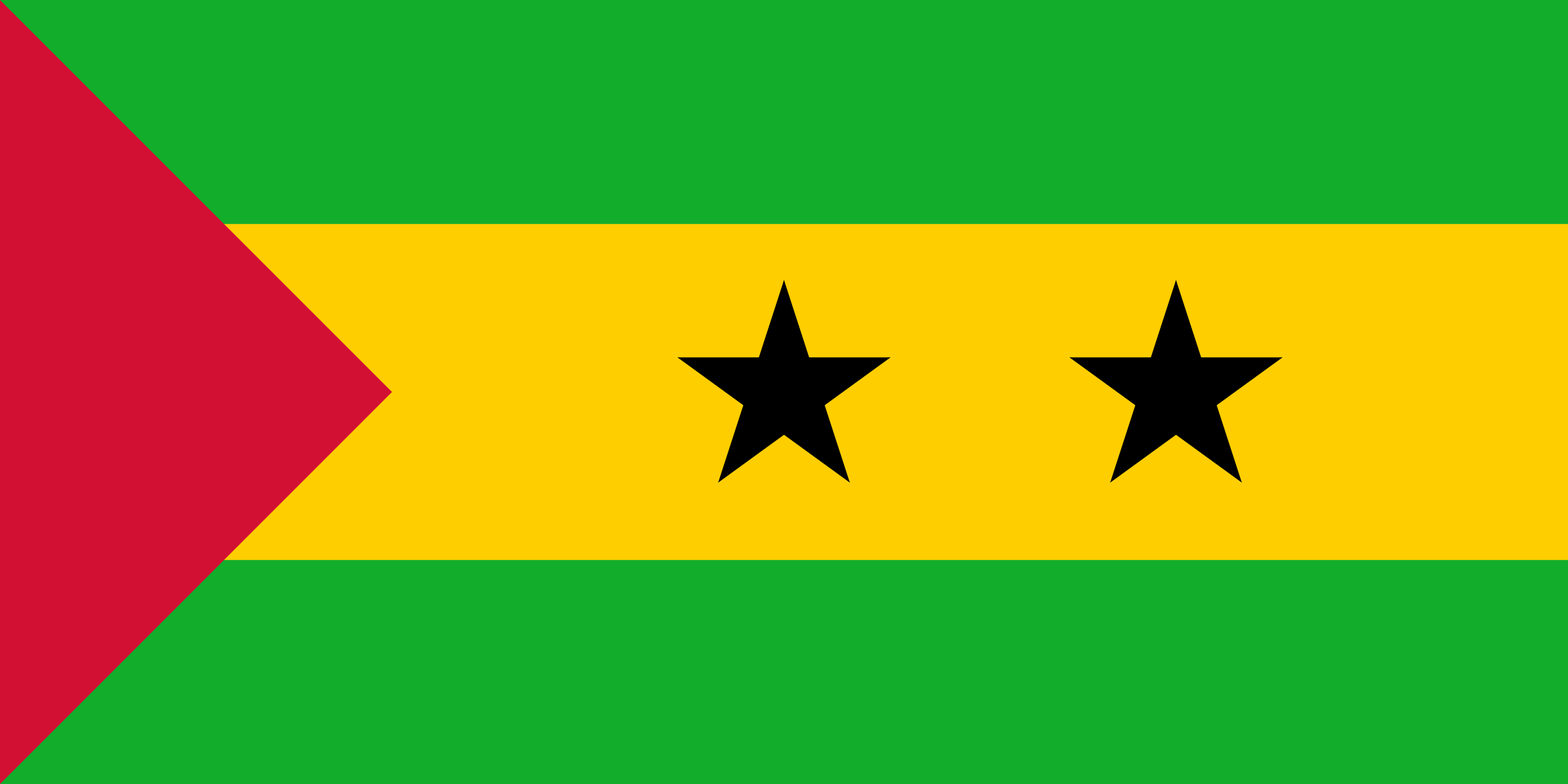
Flag (Flag of Sao Tome and Principe)
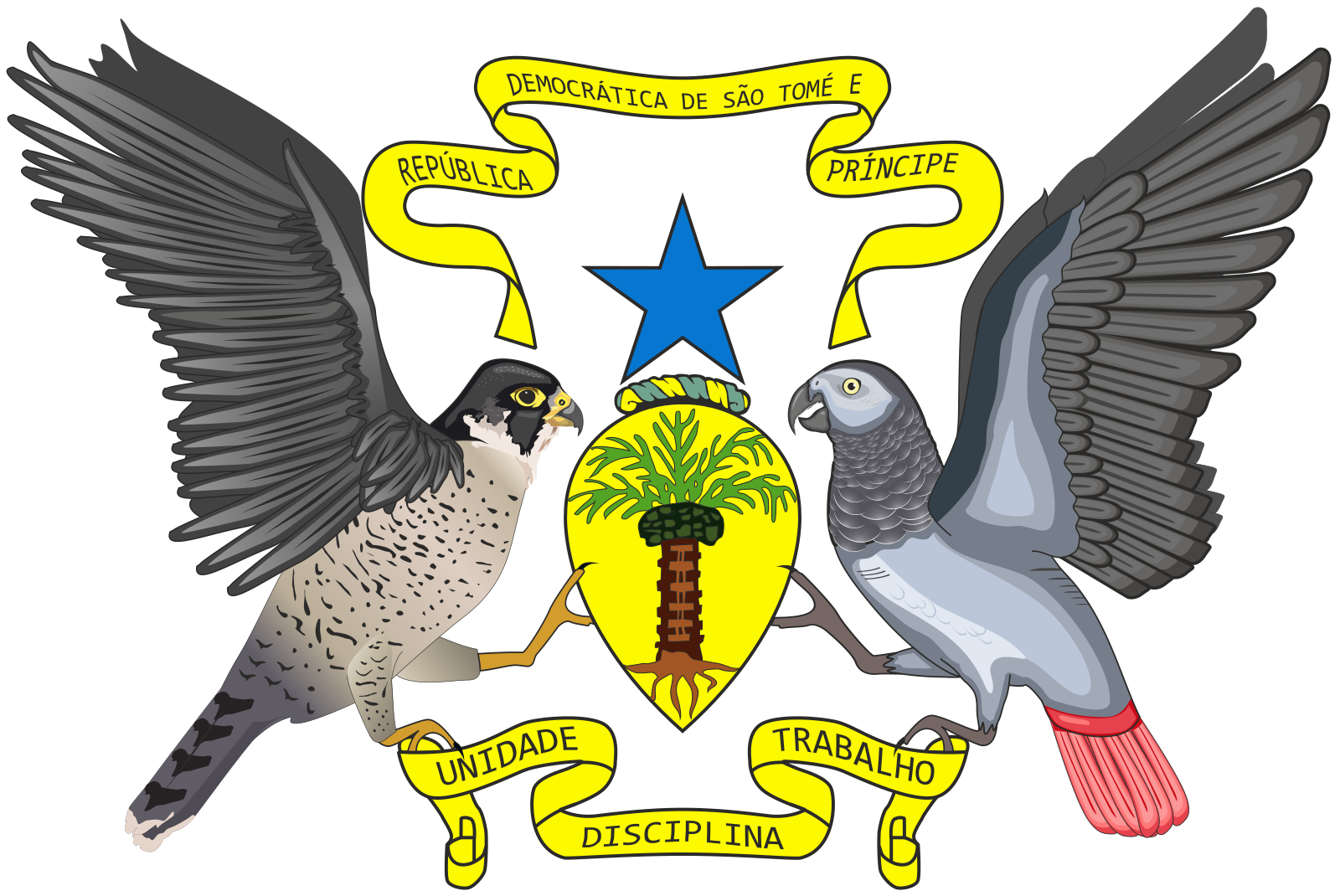
Emblem (National Emblem)
🎵 Anthem (Instrumental)
🎤 Anthem (Vocal)
Total independence,
Glorious song of the people,
Total independence,
Sacred hymn of combat.
Dynamism
In the national struggle,
Eternal oath
To the sovereign country of São Tomé and Príncipe.
Warriors in the war without weapons,
Live flame in the soul of the people,
Congregating the sons of the islands
Around the Immortal Fatherland.
Total independence, total and complete,
Building, in progress and peace,
With the heroic hands of the people,
The happiest nation on earth.
Independência total,
Glorioso canto do povo,
Independência total,
Hino sagrado de combate.
Dinamismo
Na luta nacional,
Juramento eterno
Ao país soberano de São Tomé e Príncipe.
Guerreiros na guerra sem armas,
Chama viva no coração do povo,
Congregando os filhos das ilhas
Em torno da Pátria Imortal.
Sao Tome and Principe
Report ErrorIntroduction
About the National Anthem
'Total Independence'-Independência total
'Total Independence' is the national anthem of the Democratic Republic of Sao Tome and Principe. It was launched in 1975.
'Total Independence' is the national anthem of the Democratic Republic of Sao Tome and Principe. It was launched in 1975.
Flag Meaning
The ratio is 1:2. Three horizontal flags of green, yellow and green, with a red triangle on the left, and two black five-pointed stars on the right side of the middle of the yellow bar. Red symbolizes blood for independence and sacrifice, and yellow symbolizes cocoa The growing soil, the green stripes symbolize the green forest and the ocean surrounding the cocoa plantation; the two five-pointed stars represent Sao Tome and Principe, and symbolize the African blacks.
Emblem Meaning
Saint The central pattern of the national emblem of Tome and Principe is a yellow shield with a palm tree painted on it. A wreath and blue five-pointed star are on the shield. There are falcons and parrots guarding the side of the shield. The upper ribbon bears the name of the country, and the lower ribbon bears the name of the country. The motto 'Unity, Discipline, Hardworking'.
🔗 External Resources & Travel Guide
- 📖 Wikipedia: Sao Tome and Principe - History, politics, and geography
- 📊 CIA World Factbook: Sao Tome and Principe - Official government statistics & maps
- ✈️ Wikivoyage: Sao Tome and Principe - Travel guide, attractions, and transport