The Democratic Republic of East Timor, commonly known as East Timor, is a country located at the eastern end of Timor Island in Southeast Asia. It was once Portugal One of the only two colonies in the Far East (the other is Macau). At the end of August 1999, with the support of Australia and other regions, independence was decided through a referendum. It became independent at 0:00 on May 20, 2002, and officially became official on September 27, 2002. Join the United Nations and become the 191st member of the United Nations.
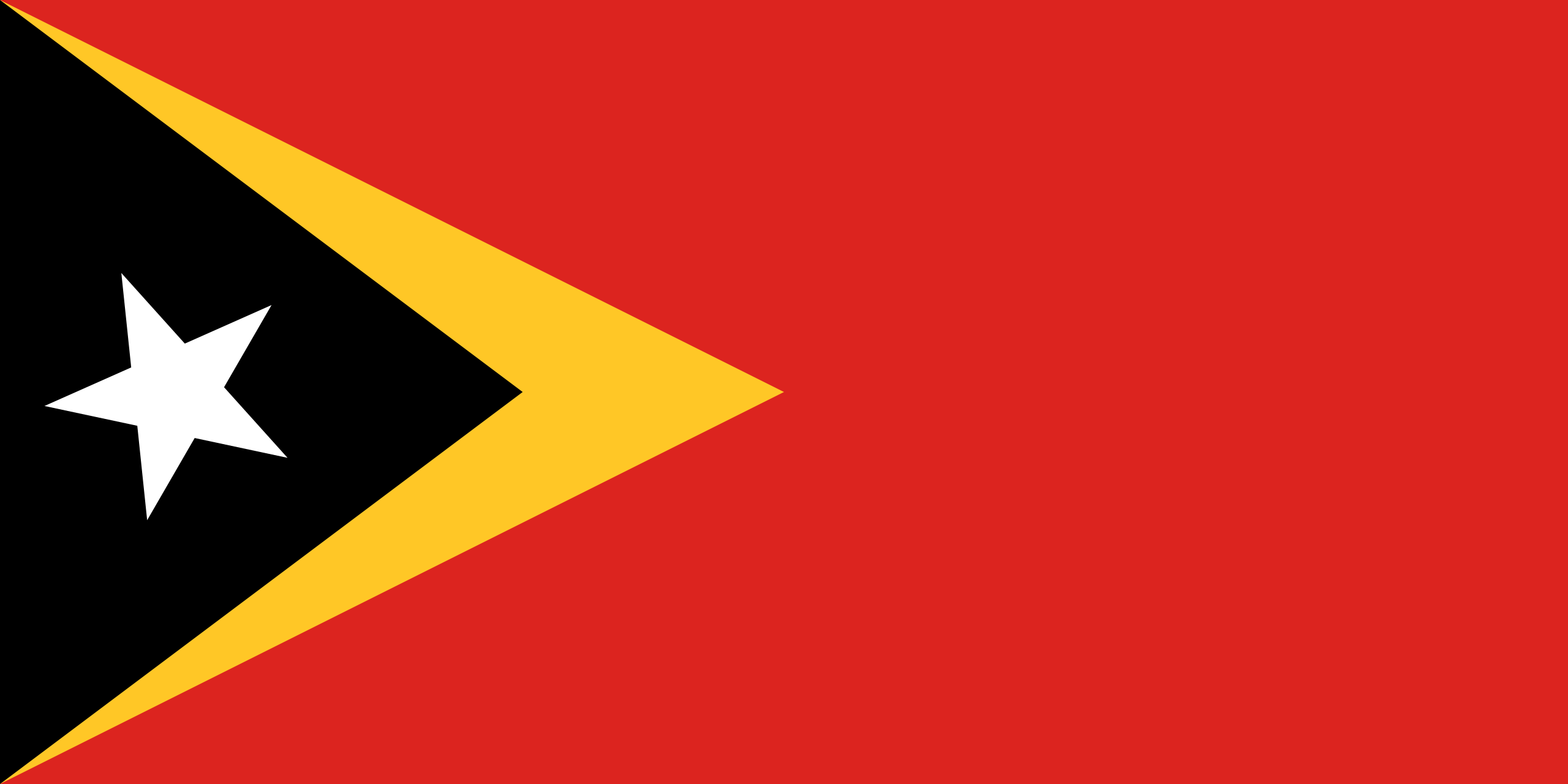
Flag (Flag of East Timor)
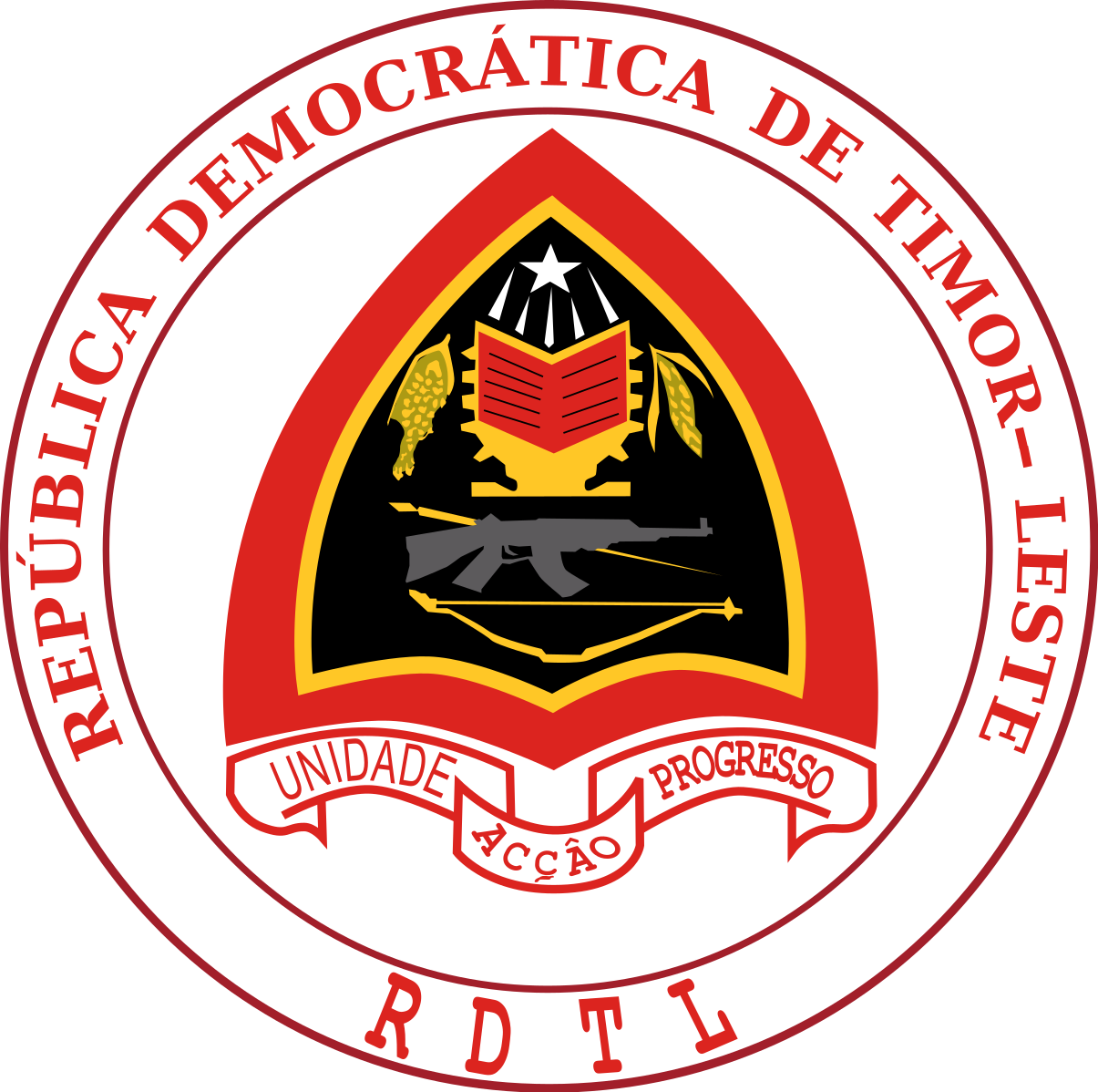
Emblem (National Emblem)
🎵 Anthem (Instrumental)
🎤 Anthem (Vocal)
Fatherland, fatherland, East Timor our Nation
Glory to the people and to the heroes of our liberation
Fatherland, fatherland, East Timor our Nation
Glory to the people and to the heroes of our liberation
We vanquish colonialism, we cry:
down with imperialism!
Free land, free people,
No, no to exploitation.
Let us go forward, united, firm and determined
In the struggle against imperialism,
The enemy of people, until final victory,
Onward to revolution.
Pátria, Pátria, Timor-Leste, nossa Nação
Glória ao povo e aos heróis da nossa libertação
Pátria, Pátria, Timor-Leste, nossa Nação
Glória ao povo e aos heróis da nossa libertação
Vencemos o colonialismo, gritamos:
Abaixo o imperialismo!
Terra livre, povo livre,
Não, não à exploração.
Avante unidos, firmes e decididos
Na luta contra o imperialismo,
O inimigo do povo, até à vitória final,
Pela revolução.
East Timor
Report ErrorIntroduction
About the National Anthem
Fatherland-'The Motherland'-Pátria
'The Motherland', Francesco Boia da· Costa’s word, Alfonso de Arauyo, was originally adopted when East Timor unilaterally declared independence from Portugal in 1975. However, when the country was notoriously invaded by Indonesia, this usage would be Short-lived. In 2002, when East Timor finally regained independence after the intervention of the United Nations, it was officially re-adopted. The length of the song was 2 minutes and 14 seconds.
'The Motherland', Francesco Boia da· Costa’s word, Alfonso de Arauyo, was originally adopted when East Timor unilaterally declared independence from Portugal in 1975. However, when the country was notoriously invaded by Indonesia, this usage would be Short-lived. In 2002, when East Timor finally regained independence after the intervention of the United Nations, it was officially re-adopted. The length of the song was 2 minutes and 14 seconds.
Flag Meaning
The ratio is 1:2. Red background , There are yellow and black overlapping triangles on the left, among which the black equilateral triangle has a white star. Red represents the struggle for independence and freedom. Black represents the downfall of 'anti-enlightenment' (or down the foolish policy); yellow represents East Timor was The traces of colonial rule by Portugal, Indonesia and other countries. The white star represents peace and symbolizes light and guidance.
Emblem Meaning
The National Emblem of East Timor The current national emblem of East Timor since November 28, 1975, East Timor’s first independence It was once used at the time. It was occupied by Indonesia on January 11, 1976 and banned by the authorities. It was reused on May 20, 2007. The national motto of East Timor is written in Portuguese under the national emblem:'Unidade, Acção, Progresso'. A ring, the full name and abbreviation of East Timor is written inside the ring.
🔗 External Resources & Travel Guide
- 📖 Wikipedia: East Timor - History, politics, and geography
- 📊 CIA World Factbook: East Timor - Official government statistics & maps
- ✈️ Wikivoyage: East Timor - Travel guide, attractions, and transport