The Socialist Republic of Vietnam, commonly known as Vietnam, is a socialist country located at the eastern end of the Indochina Peninsula in Southeast Asia, with China to the north It is bordered by Cambodia and Laos to the west, with a population of more than 96 million, ranking 15th in the world. The capital of Vietnam is Hanoi, and the largest city is Ho Chi Minh. The ruling party, the Communist Party of Vietnam, is currently the only legal political party in Vietnam. Vietnam is an East Asian culture One of the circles is a member of the Association of Southeast Asian Nations, the World Trade Organization, the Asia Pacific Economic Cooperation Organization and the French-speaking international organization, and one of the next 11 countries.
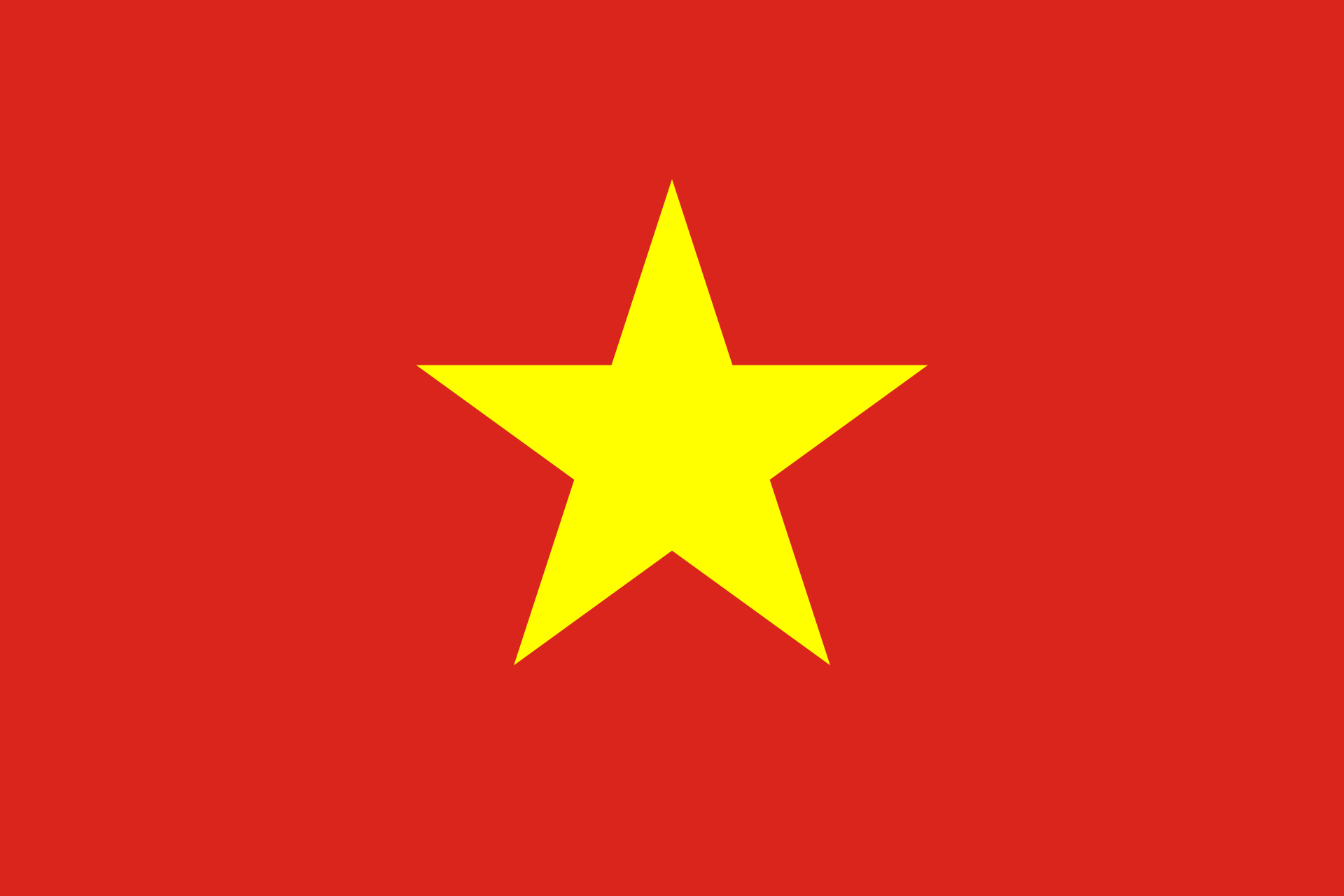
Flag (Flag of Vietnam)
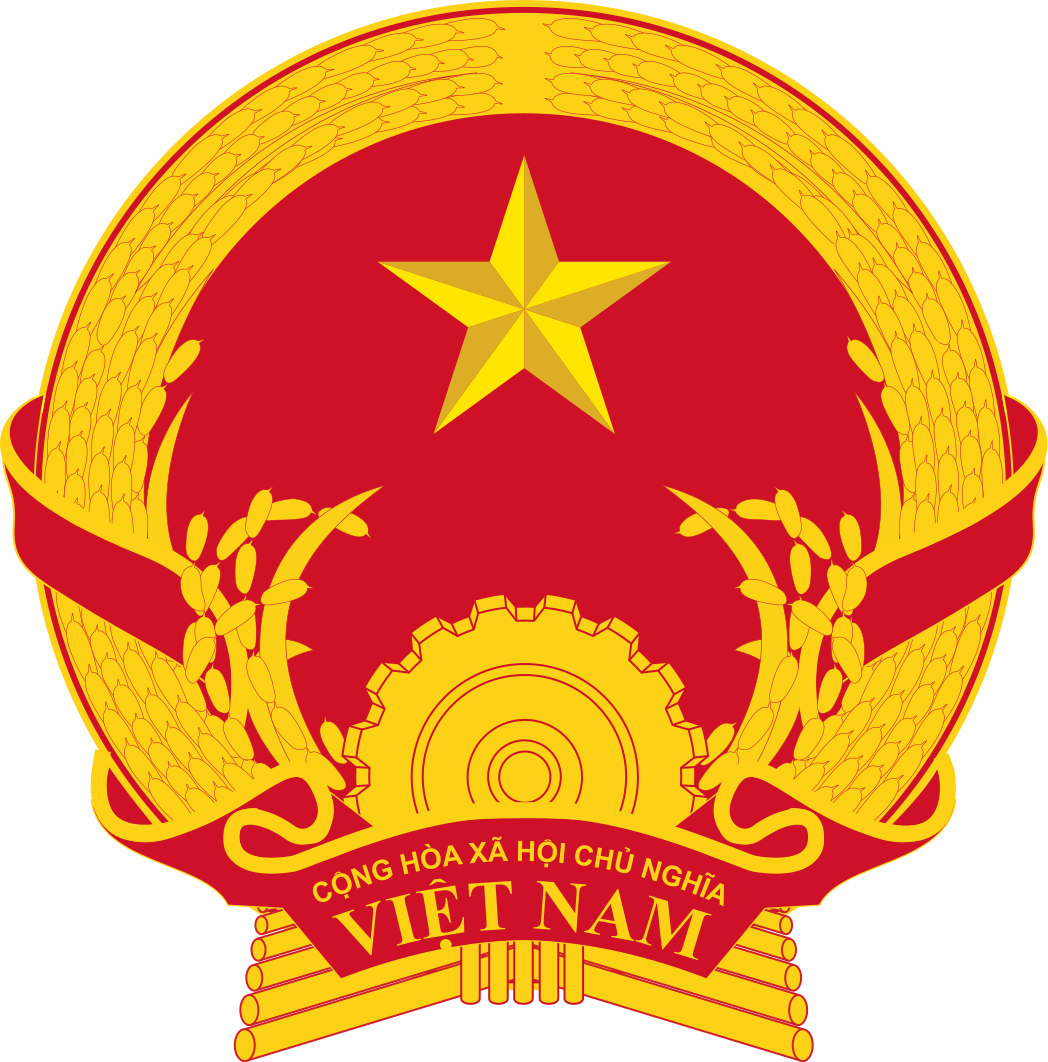
Emblem (National Emblem)
🎵 Anthem (Instrumental)
🎤 Anthem (Vocal)
Soldiers of Vietnam, we go forward,
With the one will to save our Fatherland.
Our hurried steps resound on the long and arduous road.
Our flag, red with the blood of victory, bears the spirit of our country.
The distant rumbling of the guns mingles with our marching song.
The path to glory is built by the bodies of our foes.
Overcoming all hardships, together we build our resistance bases.
This is the determined promise we make on the march to the battlefield.
For Vietnam to rise, we fight!
Forward! Victory is ours!
Đoàn quân Việt Nam đi
Chung lòng cứu quốc
Bước chân dồn vang trên đường gập ghềnh xa
Cờ in máu chiến thắng mang hồn nước
Súng ngoài xa chen khúc quân hành ca
Đường vinh quang xây xác quân thù
Thắng gian lao cùng nhau lập chiến khu
Vì nhân dân chiến đấu không ngừng
Tiến mau ra sa trường
Tiến lên, cùng tiến lên
Nước non Việt Nam ta vững bền.
Vietnam
Report ErrorIntroduction
About the National Anthem
Marching Song-'The Song of March' -Tiến Quân Ca
The English name of 'Advance Song' is Army Marching Song and the Vietnamese name is Tiến Quân Ca. It is the national anthem of the Socialist Republic of Vietnam. It was composed and written by Nguyen Van Goh, produced before the revolution in August 1945. In the Liberated Area of North Vietnam. The Second Session of the First North Vietnam National Assembly held in 1946 formally confirmed the 'Advance Song' as the national anthem. The Fifth Session of the First National Assembly in 1955 made some small notes on the lyrics of the 'Advance Song' according to government recommendations. Amendment. On July 2, 1976, the unified Vietnamese National Assembly passed a resolution, deciding to use 'Advance Song' as the national anthem of the Socialist Republic of Vietnam after the national unification. Although it has two sections, the first section is mainly sung.
The English name of 'Advance Song' is Army Marching Song and the Vietnamese name is Tiến Quân Ca. It is the national anthem of the Socialist Republic of Vietnam. It was composed and written by Nguyen Van Goh, produced before the revolution in August 1945. In the Liberated Area of North Vietnam. The Second Session of the First North Vietnam National Assembly held in 1946 formally confirmed the 'Advance Song' as the national anthem. The Fifth Session of the First National Assembly in 1955 made some small notes on the lyrics of the 'Advance Song' according to government recommendations. Amendment. On July 2, 1976, the unified Vietnamese National Assembly passed a resolution, deciding to use 'Advance Song' as the national anthem of the Socialist Republic of Vietnam after the national unification. Although it has two sections, the first section is mainly sung.
Flag Meaning
(Details not available yet)
Emblem Meaning
The National Emblem of Vietnam (Vietnamese: Quốc huy Việt Nam) is the symbol and sign of Vietnam’s sovereignty.
The National Emblem of the Socialist Republic of Vietnam is round and red. A golden five-pointed star is inlaid on the top of the face, which symbolizes the national flag, the revolutionary history of the Vietnamese people and the prosperity of the country; there is a golden gear at the bottom, which symbolizes industry and the center; the round face is surrounded by two bundles of red ribbons symmetrically The bundled golden yellow rice ears symbolize agriculture. Below the golden gear is the Vietnamese 'Cộng Hòa Xã Hội Chủ Nghĩa Việt Nam' (Vietnamese word for 'Republican Socialist Vietnam', meaning 'Vietnamese Socialist Republic') Gold ribbon on a red background.
The National Emblem of the Democratic Republic of Vietnam (North Vietnam), which was commissioned on November 30, 1955, is the embryonic form of the current Vietnam National Emblem. On July 2, 1976, the Socialist Republic of Vietnam was established. The wording was revised and became the national emblem of Vietnam, which is universally used throughout Vietnam.
The designer of the national emblem of Vietnam is the Vietnamese artist Bùi Trang Chước.
The National Emblem of the Socialist Republic of Vietnam is round and red. A golden five-pointed star is inlaid on the top of the face, which symbolizes the national flag, the revolutionary history of the Vietnamese people and the prosperity of the country; there is a golden gear at the bottom, which symbolizes industry and the center; the round face is surrounded by two bundles of red ribbons symmetrically The bundled golden yellow rice ears symbolize agriculture. Below the golden gear is the Vietnamese 'Cộng Hòa Xã Hội Chủ Nghĩa Việt Nam' (Vietnamese word for 'Republican Socialist Vietnam', meaning 'Vietnamese Socialist Republic') Gold ribbon on a red background.
The National Emblem of the Democratic Republic of Vietnam (North Vietnam), which was commissioned on November 30, 1955, is the embryonic form of the current Vietnam National Emblem. On July 2, 1976, the Socialist Republic of Vietnam was established. The wording was revised and became the national emblem of Vietnam, which is universally used throughout Vietnam.
The designer of the national emblem of Vietnam is the Vietnamese artist Bùi Trang Chước.
🔗 External Resources & Travel Guide
- 📖 Wikipedia: Vietnam - History, politics, and geography
- 📊 CIA World Factbook: Vietnam - Official government statistics & maps
- ✈️ Wikivoyage: Vietnam - Travel guide, attractions, and transport