Canada is a country located in the northern part of North America. It belongs to the western and northern hemispheres. Its territory borders the Pacific Ocean in the west and the Pacific Ocean in the east. The Atlantic Ocean, bordered by the Arctic Ocean to the north, part of the territory is located in the Arctic Circle. Canada faces the Danish territory Greenland to the northeast, the United States and Alaska to the south and northwest, and the French territories of Saint Pierre and Miquelon are located on the islands to the east. Among them. Canada has a territory of 9.884670 square kilometers, which is the second largest country in the world and the largest among developed countries. The country’s capital is Ottawa, and its main cities include Vancouver, Toronto, and Montreal. The country consists of ten provinces and three regions. Canada is listed on the list of countries to retire in 2020 by Forbes.
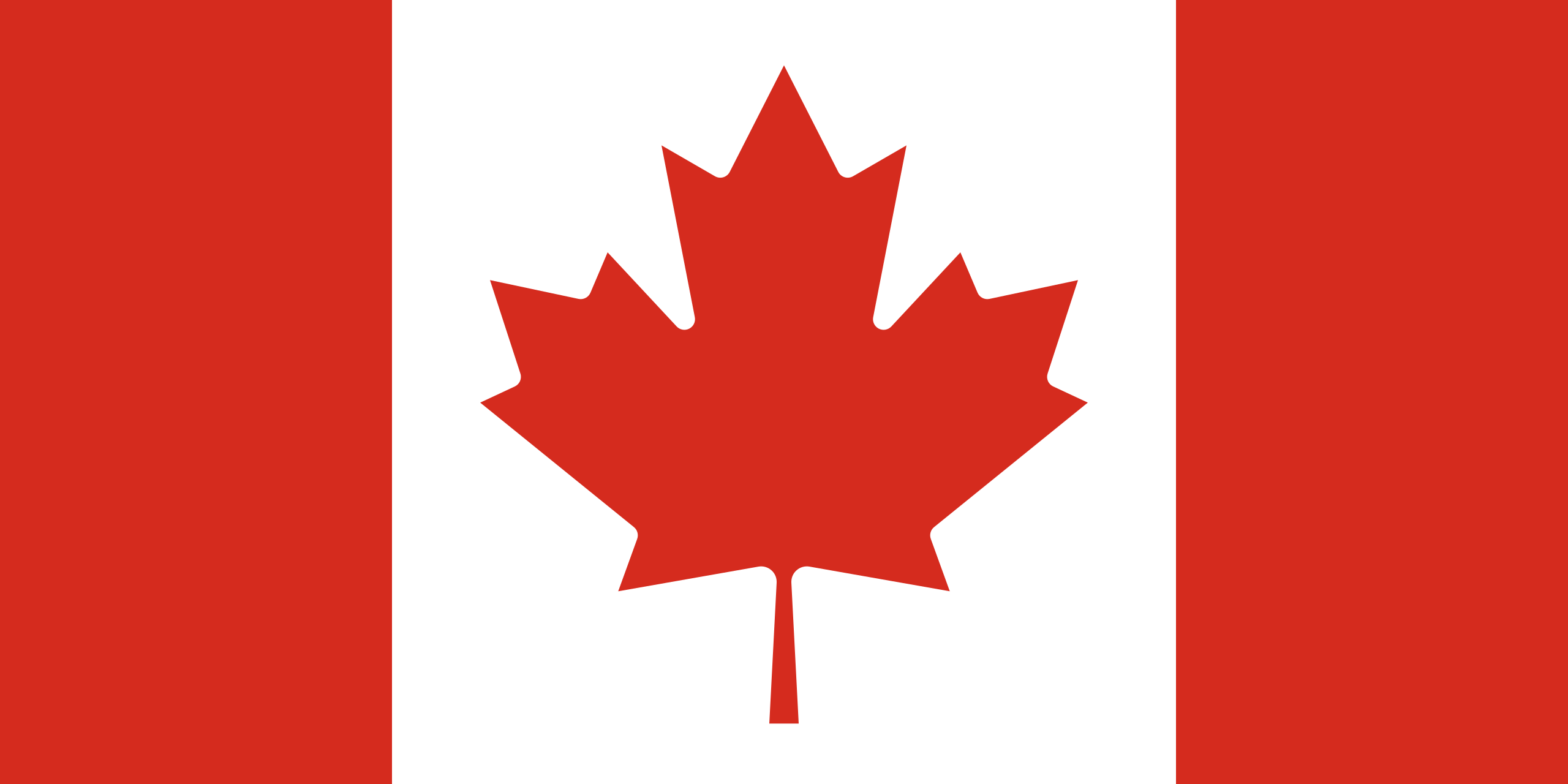
Flag (Flag of Canada)
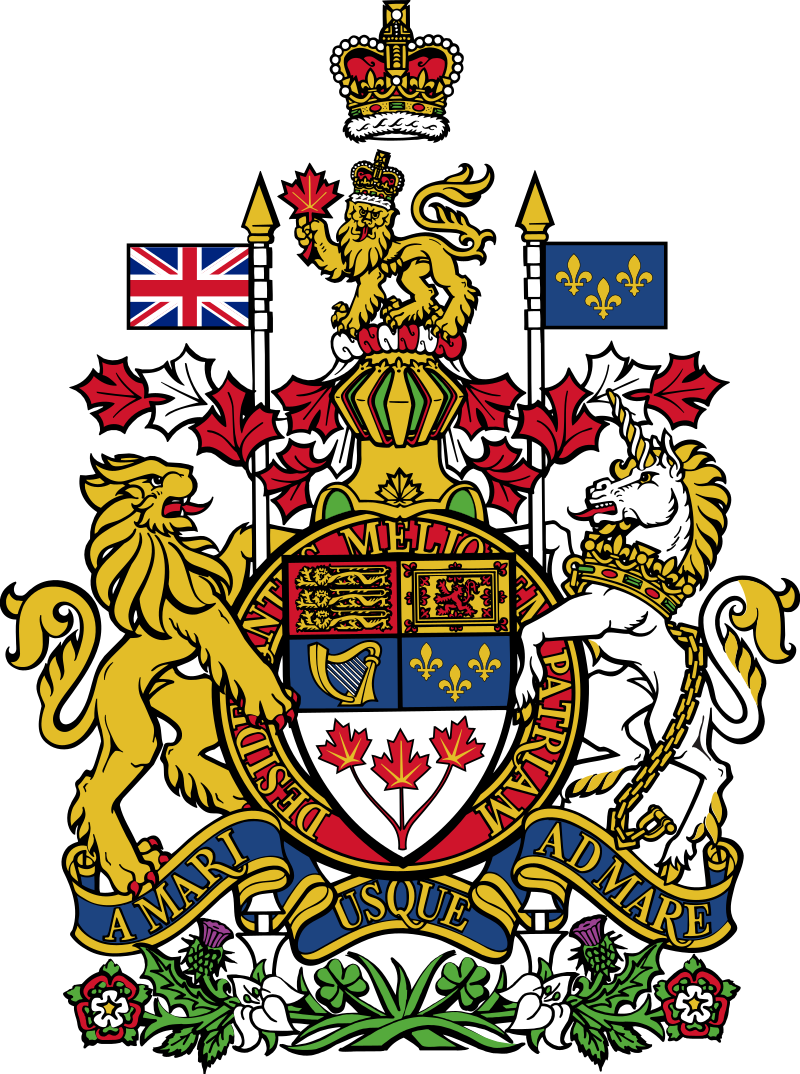
Emblem (National Emblem)
🎵 Anthem (Instrumental)
🎤 Anthem (Vocal)
O Canada! Our home and native land!
True patriot love in all of us command.
With glowing hearts we see thee rise,
The True North strong and free!
From far and wide,
O Canada, we stand on guard for thee.
God keep our land glorious and free!
O Canada, we stand on guard for thee.
O Canada, we stand on guard for thee.
O Canada! Our home and native land!
True patriot love in all of us command.
With glowing hearts we see thee rise,
The True North strong and free!
From far and wide,
O Canada, we stand on guard for thee.
God keep our land glorious and free!
O Canada, we stand on guard for thee.
O Canada, we stand on guard for thee.
Canada
Report ErrorIntroduction
About the National Anthem
O Canada-'Ah, Canada'- Ô Canada
'Ah, Canada' or 'Oh! Canada' is the national anthem of Canada. Originally the patriotic music of the Society of St. John the Baptist, this song was originally written by Théodore Robitaille, Deputy Governor of Quebec in 1880 Commissioned by the Saint-Jean-Baptiste Day Ceremony in 1999; Calixa Lavallée composed the music, after which the poet and judge Sir Adolphe-Basile Routhier wrote the lyrics. The original lyrics are in French; an English translation was published in 1906. Then appeared. There are multiple English versions, of which Robert Stanley Weir's version in 1908 was the most popular and eventually became the basis for the official lyrics promulgated by the parliament. Will’s lyrics have been revised three times, the most recent one being A bill to amend the National Anthem Act (Gender) was enacted in 2018. The French lyrics remain unchanged. Since 1939, 'O Canada' has been the de facto national anthem and officially became the national anthem of the country in 1980. The National Anthem Law was approved by the royal family and took effect on July 1 as part of the Dominion Day celebrations that year.
'Ah, Canada' or 'Oh! Canada' is the national anthem of Canada. Originally the patriotic music of the Society of St. John the Baptist, this song was originally written by Théodore Robitaille, Deputy Governor of Quebec in 1880 Commissioned by the Saint-Jean-Baptiste Day Ceremony in 1999; Calixa Lavallée composed the music, after which the poet and judge Sir Adolphe-Basile Routhier wrote the lyrics. The original lyrics are in French; an English translation was published in 1906. Then appeared. There are multiple English versions, of which Robert Stanley Weir's version in 1908 was the most popular and eventually became the basis for the official lyrics promulgated by the parliament. Will’s lyrics have been revised three times, the most recent one being A bill to amend the National Anthem Act (Gender) was enacted in 2018. The French lyrics remain unchanged. Since 1939, 'O Canada' has been the de facto national anthem and officially became the national anthem of the country in 1980. The National Anthem Law was approved by the royal family and took effect on July 1 as part of the Dominion Day celebrations that year.
Flag Meaning
The ratio is 1:2. Three vertical red, white and red flags, The red maple leaf logo in the middle symbolizes Canada, and the red on both sides symbolizes the Pacific and Atlantic.
Emblem Meaning
The National Emblem of Canada or the Royal Emblem of Canada is the official emblem of the monarchs of Canada and Canada since 1921. Its design is modeled after the British national emblem, but some British elements in the emblem are replaced or expanded by design elements with local Canadian characteristics.
Before the establishment of the Canadian Confederation, the British national emblem was a symbol of the king’s power in Canada. Nova Scotia[9] and Newfoundland[10] acquired exclusive emblems in the seventeenth century, no other British colonies in North America There is a unique emblem. After Canada gained self-government in 1867, Queen Victoria issued royal certification on May 6, 1868, granting it to four provinces (Ontario[11], Quebec[12], Nova Scotia[13][Note 1] and New Brunswick) each has a coat of arms, and authorizes the Dominion of Canada to use a shield with the coat of arms of four provinces as its national seal. At that time, the Canadian government did not use this as its national seal, but the four-province coat of arms shield became the unofficial coat of arms of the Canadian Dominion, and was applied to the flag of the Governor of Canada and the Canadian red flag [14].
As more colonies and regions joined the Canadian Federation, the community and the Canadian government have successively added the emblems of the newly established provinces to the informal coat of arms, and finally formed a shield divided into nine quadrants. However, this design was too complicated and never received the official approval of the king, prompting some citizens to propose a new national emblem for Canada[8].
The Governor of Canada established a four-person committee in 1919 to discuss the design of the new national emblem; the members finally agreed that the shield should be painted with the emblems of England, Scotland, Ireland and the Kingdom of France to reflect the colonial history of Canada, and to The maple leaf pattern represents the Canadian mainland [15]. The Governor then issued a privy order on April 30, 1921, requesting King George V to present Canada with a new national emblem; George V issued a royal proclamation on November 21 of the same year, formally granting a new coat of arms to the Dominion of Canada[16] . The design of the new national emblem is based on the British national emblem[17], but the fourth quadrant of the shield is replaced with a lily flower representing the Kingdom of France, and a maple leaf representing Canada is added at the bottom[18].
After the 'Westminster Act' was passed in 1931, the British Parliament and the British government could no longer interfere in the internal affairs of the Canadian Dominion. Since then, Canada has been a sovereign country that is completely equal to the United Kingdom on international occasions. Since then, the King of England has also served as the Canadian monarch as the head of state of Canada. The coat of arms of the Canadian Dominion has become the Crown Emblem of Canada and replaced the British National Emblem originally hung on the exterior of courts and federal government buildings and cast on the Great Seal of Canada.[ 19].
In 1957, Canadian heraldry artist Aaron Bedau repainted the national emblem, changing the original green maple leaf at the bottom of the shield to red, and changing the crown from the Tudor design to Saint Edward's preference of Queen Elizabeth II The crown [8]. To celebrate Canada's withdrawal of constitutional power from the United Kingdom in 1982, McGill University student Bruce Hicks proposed to the then Federal Minister of State Gerald Regan (Gerald Regan) to add a band with the motto of the Order of Canada. Behind the national emblem shield [20]. Hicks was unsuccessful at first, but he reiterated this suggestion in the late 1980s and early 1990s, saying that this move could be used to commemorate the 25th anniversary of the founding of the Medal of Canada in 1992, and was supported by the Medal of Canada Advisory Committee [21] . Queen Elizabeth II first allowed limited use of the national emblem with the motto of the Order of Canada[3] in 1987 (the use was limited to the charter published in the name of the Queen), and then relaxed the restrictions in 1994 to allow the Canadian federal government to use it. This version of the national emblem [8]. The new version of the national emblem was drawn by Katie Boursey-Sabrun, Fraser Herald of the Canadian Herald Bureau, and was used in the Federal Government Agency Image Project shortly after being approved by the Queen.[8]
Before the establishment of the Canadian Confederation, the British national emblem was a symbol of the king’s power in Canada. Nova Scotia[9] and Newfoundland[10] acquired exclusive emblems in the seventeenth century, no other British colonies in North America There is a unique emblem. After Canada gained self-government in 1867, Queen Victoria issued royal certification on May 6, 1868, granting it to four provinces (Ontario[11], Quebec[12], Nova Scotia[13][Note 1] and New Brunswick) each has a coat of arms, and authorizes the Dominion of Canada to use a shield with the coat of arms of four provinces as its national seal. At that time, the Canadian government did not use this as its national seal, but the four-province coat of arms shield became the unofficial coat of arms of the Canadian Dominion, and was applied to the flag of the Governor of Canada and the Canadian red flag [14].
As more colonies and regions joined the Canadian Federation, the community and the Canadian government have successively added the emblems of the newly established provinces to the informal coat of arms, and finally formed a shield divided into nine quadrants. However, this design was too complicated and never received the official approval of the king, prompting some citizens to propose a new national emblem for Canada[8].
The Governor of Canada established a four-person committee in 1919 to discuss the design of the new national emblem; the members finally agreed that the shield should be painted with the emblems of England, Scotland, Ireland and the Kingdom of France to reflect the colonial history of Canada, and to The maple leaf pattern represents the Canadian mainland [15]. The Governor then issued a privy order on April 30, 1921, requesting King George V to present Canada with a new national emblem; George V issued a royal proclamation on November 21 of the same year, formally granting a new coat of arms to the Dominion of Canada[16] . The design of the new national emblem is based on the British national emblem[17], but the fourth quadrant of the shield is replaced with a lily flower representing the Kingdom of France, and a maple leaf representing Canada is added at the bottom[18].
After the 'Westminster Act' was passed in 1931, the British Parliament and the British government could no longer interfere in the internal affairs of the Canadian Dominion. Since then, Canada has been a sovereign country that is completely equal to the United Kingdom on international occasions. Since then, the King of England has also served as the Canadian monarch as the head of state of Canada. The coat of arms of the Canadian Dominion has become the Crown Emblem of Canada and replaced the British National Emblem originally hung on the exterior of courts and federal government buildings and cast on the Great Seal of Canada.[ 19].
In 1957, Canadian heraldry artist Aaron Bedau repainted the national emblem, changing the original green maple leaf at the bottom of the shield to red, and changing the crown from the Tudor design to Saint Edward's preference of Queen Elizabeth II The crown [8]. To celebrate Canada's withdrawal of constitutional power from the United Kingdom in 1982, McGill University student Bruce Hicks proposed to the then Federal Minister of State Gerald Regan (Gerald Regan) to add a band with the motto of the Order of Canada. Behind the national emblem shield [20]. Hicks was unsuccessful at first, but he reiterated this suggestion in the late 1980s and early 1990s, saying that this move could be used to commemorate the 25th anniversary of the founding of the Medal of Canada in 1992, and was supported by the Medal of Canada Advisory Committee [21] . Queen Elizabeth II first allowed limited use of the national emblem with the motto of the Order of Canada[3] in 1987 (the use was limited to the charter published in the name of the Queen), and then relaxed the restrictions in 1994 to allow the Canadian federal government to use it. This version of the national emblem [8]. The new version of the national emblem was drawn by Katie Boursey-Sabrun, Fraser Herald of the Canadian Herald Bureau, and was used in the Federal Government Agency Image Project shortly after being approved by the Queen.[8]
🔗 External Resources & Travel Guide
- 📖 Wikipedia: Canada - History, politics, and geography
- 📊 CIA World Factbook: Canada - Official government statistics & maps
- ✈️ Wikivoyage: Canada - Travel guide, attractions, and transport