The Republic of Cuba, commonly known as Cuba, is an archipelago country in the northern Caribbean Sea of America, located at 19°N latitude And 24°, between 74° and 85° West longitude. Located at the entrance to the Gulf of Mexico, separated from Mexico’s Yucatan Peninsula in the west by the Yucatan Strait, Jamaica and the Cayman Islands in the south, and the Republic of Haiti and the Dominican Republic in the east. The Windward Strait, with the Bahamas to the northeast, is opposite the United States across the Florida Strait, and the shortest land distance from Key West, the southernmost point of Florida, is about 145 kilometers. As the largest and second most populous island in the Caribbean, Cuba It guards the main sea route between the Panama Canal and the east coast of the United States. Described as the key to the Gulf of Mexico. The territory includes the main island of Cuba and its affiliated islands and the island of Youth. Hawana is the capital and largest city of Cuba, and Santiago is the second Big city.
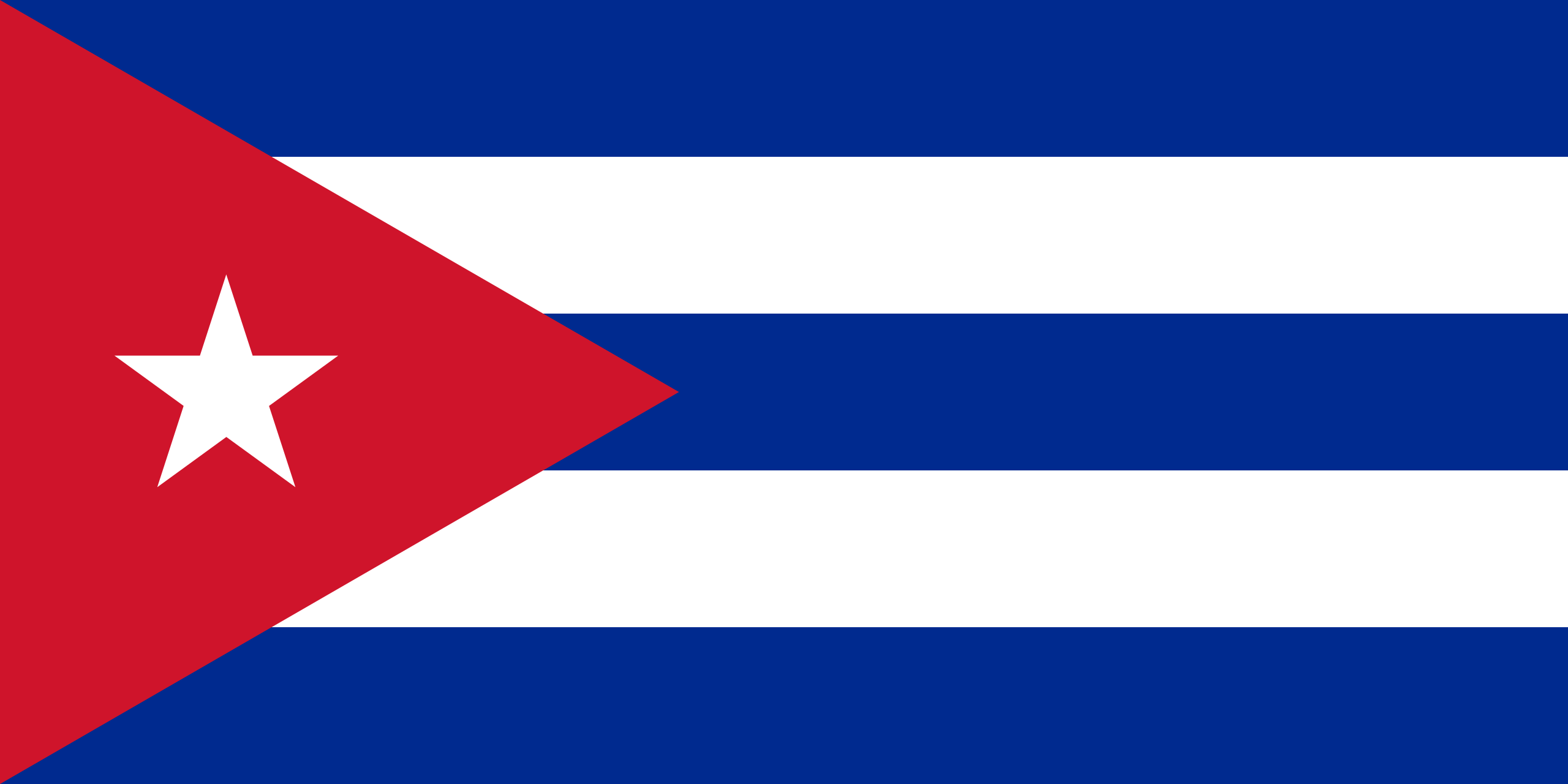
Flag (Flag of Cuba)
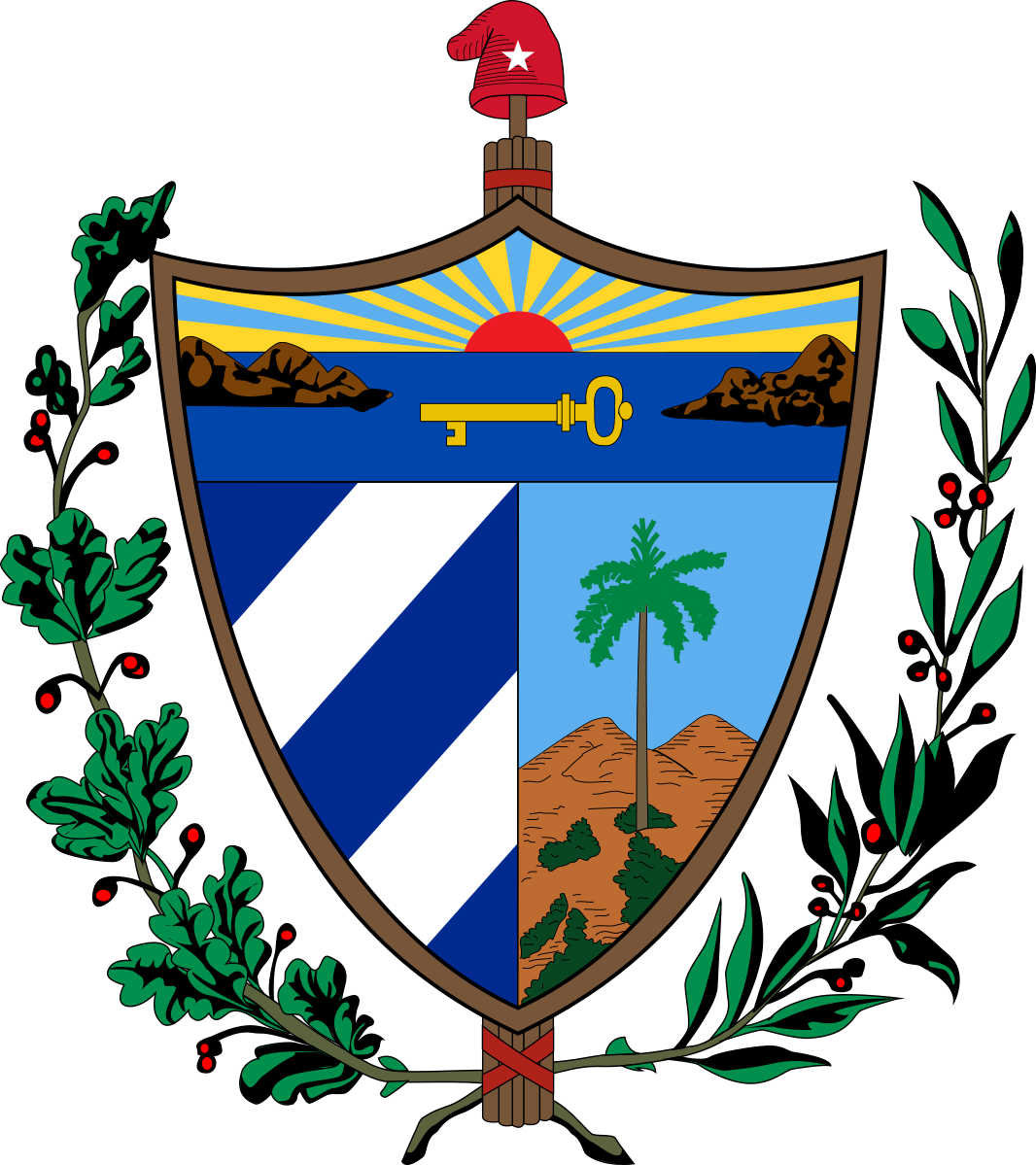
Emblem (National Emblem)
🎵 Anthem (Instrumental)
🎤 Anthem (Vocal)
To combat, run, Bayamesans!
For the homeland looks proudly upon you;
Do not fear a glorious death,
For to die for the homeland is to live.
To live in chains is to live
Mired in shame and disgrace.
Hear the sound of the bugle;
To arms, brave ones, run!
¡Al combate, corred, Bayameses!
Que la patria os contempla orgullosa;
No temáis una muerte gloriosa,
Que morir por la patria es vivir.
En cadenas vivir es vivir
En afrenta y oprobio sumido;
Del clarín escuchad el sonido;
¡A las armas, valientes, corred!
Cuba
Report ErrorIntroduction
About the National Anthem
The Anthem of Bayamo-'Song of Bayamo'-La Bayamesa
'Song of Bayamo', also translated as 'Bayamo' 'Mosong' is the national anthem of Cuba. Bayamo is a city in Cuba. This song was sung for the first time in 1868 during the Battle of Bayamo in the Ten Years’ War. Peruggio Figueretto who participated in the battle ( Perucho Figueredo) composed this song. The melody, also known as 'La Bayamesa', was created by Figueredo in 1867.
'Song of Bayamo', also translated as 'Bayamo' 'Mosong' is the national anthem of Cuba. Bayamo is a city in Cuba. This song was sung for the first time in 1868 during the Battle of Bayamo in the Ten Years’ War. Peruggio Figueretto who participated in the battle ( Perucho Figueredo) composed this song. The melody, also known as 'La Bayamesa', was created by Figueredo in 1867.
Flag Meaning
Scale 1:2. Five blue and white stripes The flag with alternating horizontal stripes at the bottom, with a red triangle on the left and a white five-pointed star inside. The red symbolizes equality and freedom, and the five-pointed star symbolizes the independence and freedom of the country. The five blue and white horizontal stripes represent the five initials of independence. Provinces.
Emblem Meaning
The Cuban National Emblem was opened on April 24, 1906, as a shield emblem. The shield consists of three parts, with a vertical beam on the back and a cap of freedom on the periphery. Decorated with laurel and oak branches. Above the national emblem, it shows the geographic location of Cuba Island in the Caribbean Sea, that is, between the Florida peninsula of the United States and the Yucatan peninsula of Mexico. The green land on both sides of the key represents the two peninsulas respectively. Being placed between the two peninsulas symbolizes Cuba’s important geographical and strategic position as the only place to go to Mexico. During the Spanish colonial era, Mexico, Cuba and Florida were all ruled by the Viceroyalty of New Spain. The horizon rises from the distance. The sun symbolizes the newly born independent republic, and the rising sun is above the key, which indicates that Cuba is on the Tropic of Cancer. The bottom left side of the shield repeats the five blue and white diagonal stripes on the flag. It is the representative color of the ocean and purity and Cuba At the same time, the three blue stripes represent the eastern, central and western provinces of early Cuba. On the lower right side is a Cuban national tree king palm and mountain forest symbolizing the richness of the country. Behind the shield is a bundle of sticks and Phrygia hats represent national sovereignty and national freedom respectively. On the left and right sides of the shield are oak branches and laurel branches, and its connotation is the longevity and victory of the Republic. The national emblem was designed by Cuban patriotic poet Miguel Teulbe Doron. On April 24, 1906, the Cuban Parliament approved its use. This national emblem was used after the Cuban Revolution.
🔗 External Resources & Travel Guide
- 📖 Wikipedia: Cuba - History, politics, and geography
- 📊 CIA World Factbook: Cuba - Official government statistics & maps
- ✈️ Wikivoyage: Cuba - Travel guide, attractions, and transport