The country of Eritrea, commonly known as Eritrea, is a country located in northeastern Africa, bordering the Red Sea, with an area of 125,000 Square kilometers, population about 5,750,433 people (2018), the capital is Asmara, the ethnic group is mainly Tigrinya, Tigray, etc. The currency is Nakfa.
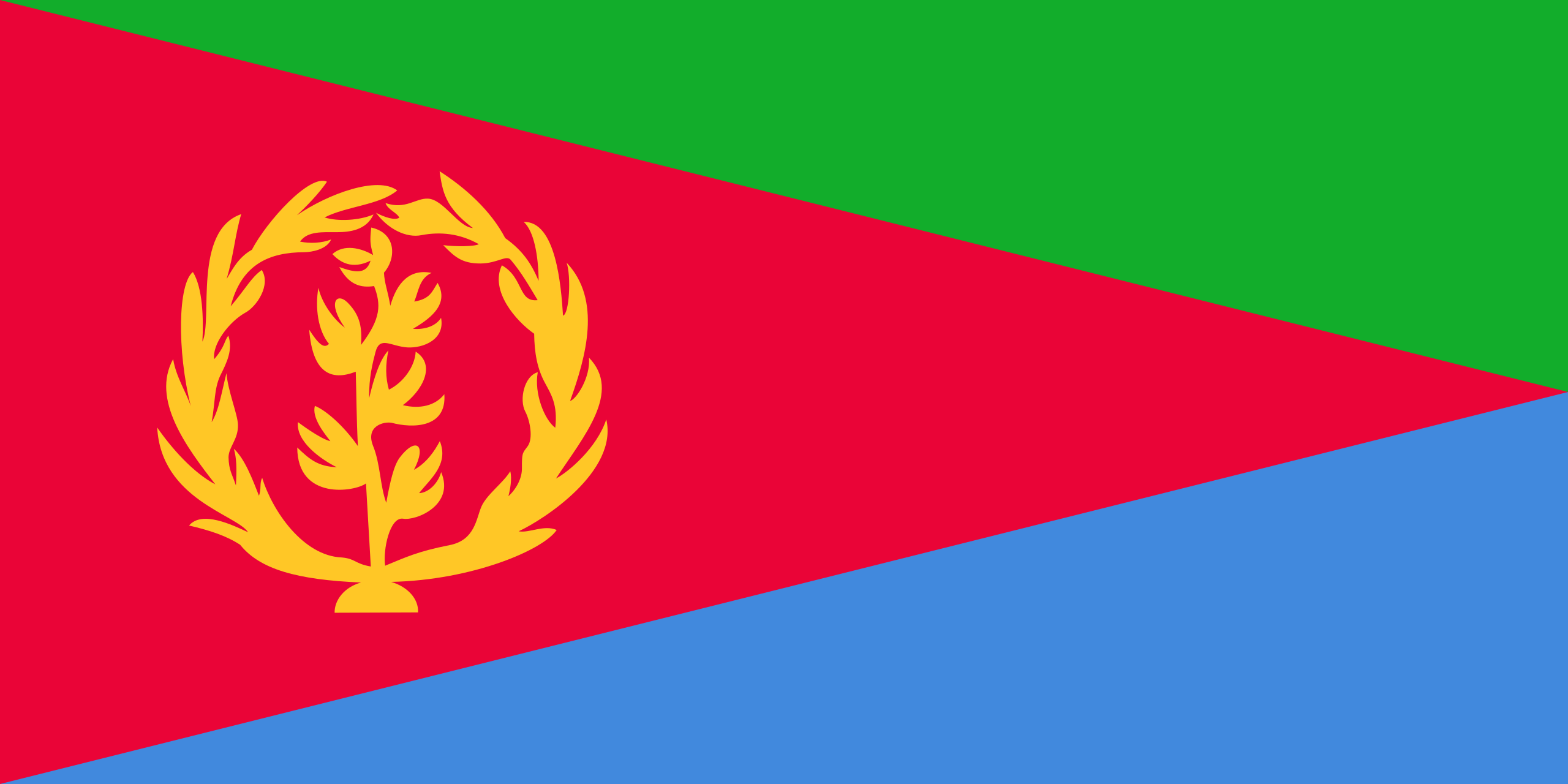
Flag (Flag of Eritrea)
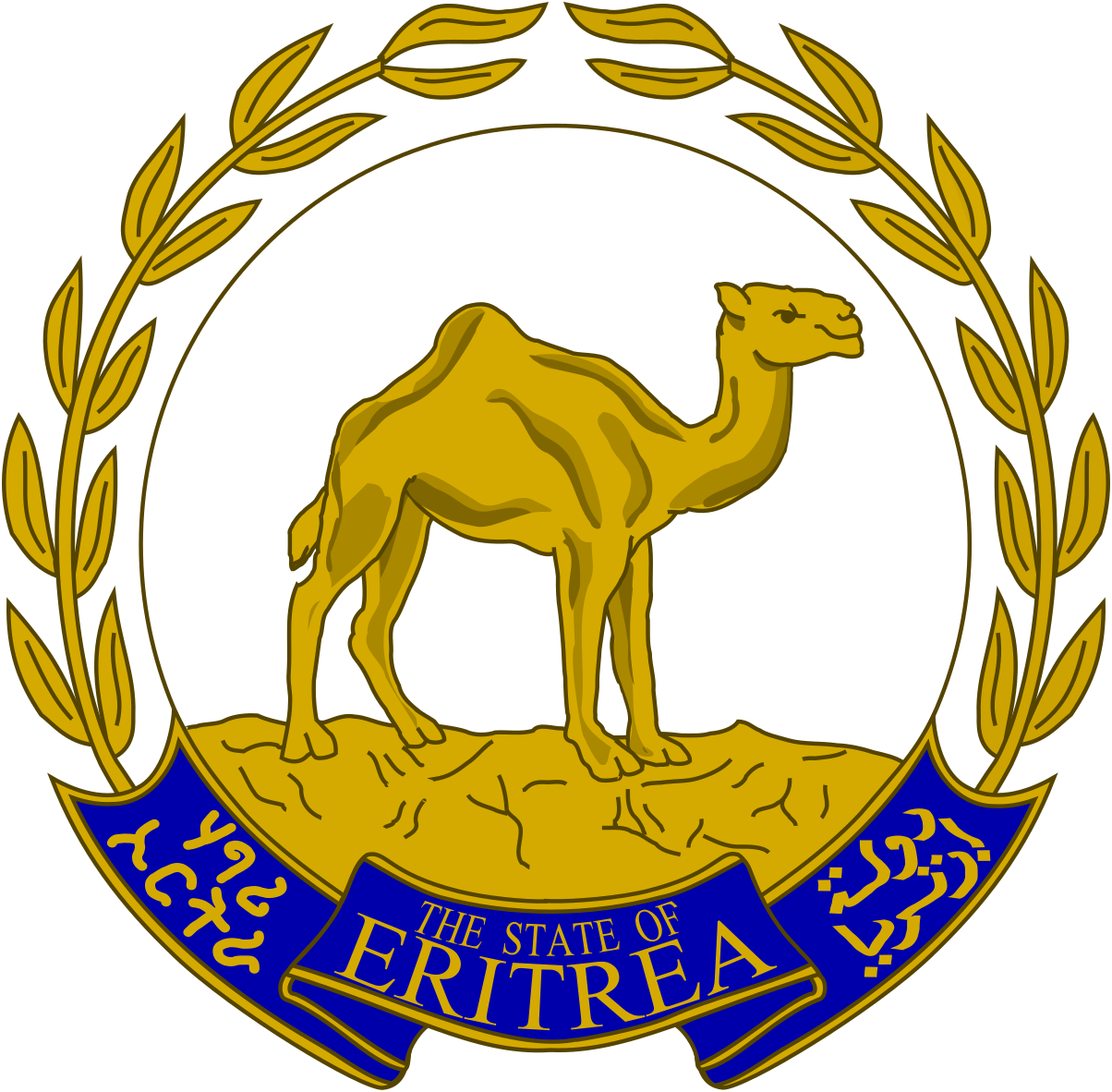
Emblem (National Emblem)
🎵 Anthem (Instrumental)
🎤 Anthem (Vocal)
Eritrea, Eritrea, Eritrea,
Her enemy decimated,
And her sacrifices vindicated by liberation.
Steadfast in her goal,
Symbolising endurance,
Eritrea, the pride of her oppressed people,
Proved that the truth prevails.
Eritrea, Eritrea,
Holds her rightful place in the world.
ኤርትራ ኤርትራ ኤርትራ፡
በዓል ደማ እናልቀሰ ተደምሲሱ፡
መስዋእታ ብሓርነት ተደቢሱ።
መዋእል ነኺሳ ኣብ ግብሪ ልዑል
ተግባራት ዓወት ዘርኢ ፅንተት
ኤርትራ ኤርትራ
ኣብ ዓለም ቦታ ረኸበት።
Eritrea
Report ErrorIntroduction
About the National Anthem
Eritrea, Eritrea, Eritrea-'Eritrea, Eritrea, Eritrea'-ኤርትራ ኤርትራ ኤርትራ
'Eritrea, Eritrea, the first national hymn of Eritrea, adopted by Eritrea in 1993, is the national hymn of independence.' ·Solomon Tsehaye Beraki (Solomon Tsehaye Beraki), Isaac Abraham Meharezghi (Isaac Abraham Meharezghi) and Aron Tekle Tesfatsion creation.
'Eritrea, Eritrea, the first national hymn of Eritrea, adopted by Eritrea in 1993, is the national hymn of independence.' ·Solomon Tsehaye Beraki (Solomon Tsehaye Beraki), Isaac Abraham Meharezghi (Isaac Abraham Meharezghi) and Aron Tekle Tesfatsion creation.
Flag Meaning
(Details not available yet)
Emblem Meaning
The national emblem of Eritrea was used on the day of Eritrea’s independence. On May 24, 1993, Eritrea’s declaration of independence from Ethiopia, the national emblem It began to have its legal role. Before the establishment of the new national emblem, Eritrea, as a colony of the Kingdom of Italy, had a traditional European-style national emblem, but in 1952, the European coat of arms began to be cancelled, and Eritrea adopted other national emblems to represent its territory. The entire national emblem is round. The national emblem in use by Eritrea was used on May 24, 1993 (Independence Day). This national emblem mainly contains a desert dromedary surrounded by a wreath of laurels, surrounded by olive branches. Ribbon book There are country names written in Tigrinya, English and Arabic respectively. It has political significance. The camel in the national emblem refers to the pack animals used in the Eritrean independence movement during the war. It is responsible for the transportation and delivery of goods, armaments, Food. Therefore, the national emblem contains the patriotism of the Eritrean people in their struggle for independence.
🔗 External Resources & Travel Guide
- 📖 Wikipedia: Eritrea - History, politics, and geography
- 📊 CIA World Factbook: Eritrea - Official government statistics & maps
- ✈️ Wikivoyage: Eritrea - Travel guide, attractions, and transport